
«الطاقة الذرية»: استخدام الطاقة النووية قد يتضاعف 3 مرات بحلول 2060 – أخبار السعودية
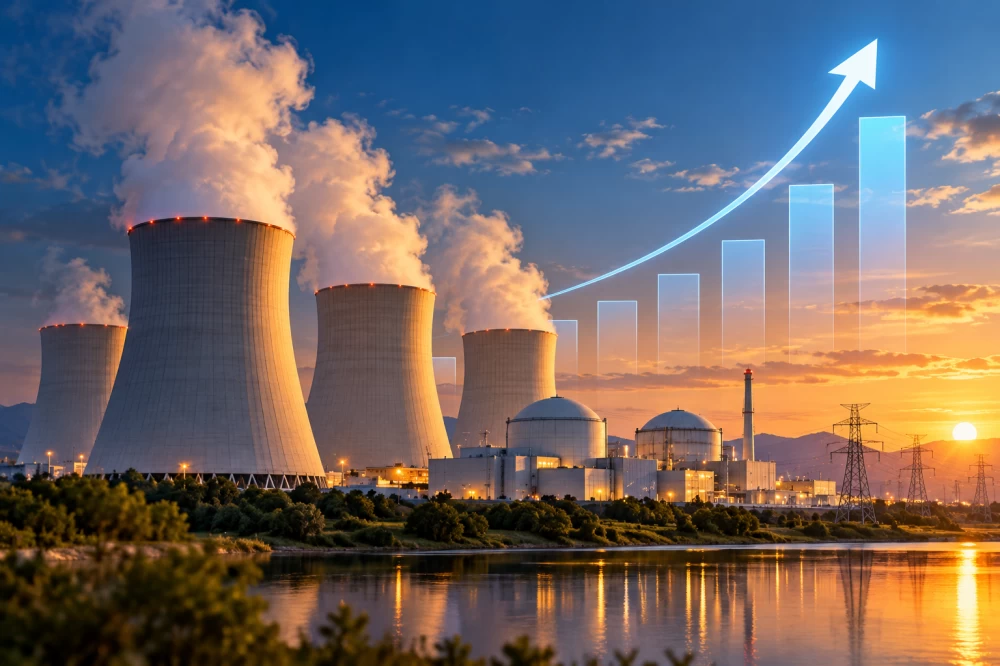
توقع المدير العام للوكالة الدولية للطاقة الذرية رافائيل غروسي أن يشهد العالم توسعاً كبيراً في استخدام الطاقة النووية خلال العقود القادمة، مع إمكانية ارتفاع القدرة العالمية لتوليد الكهرباء من المصادر النووية إلى أكثر من ثلاثة أضعاف مستوياتها الحالية بحلول عام 2060، مدفوعةً بتزايد الطلب على الكهرباء والتوسع في مراكز بيانات الذكاء الاصطناعي.
وأوضح غروسي، خلال تقديم التقرير السنوي للوكالة أمام الجمعية العامة للأمم المتحدة، (الجمعة) (23 أكتوبر)، أن تزايد الاعتماد على الكهرباء ورغبة شركات التقنية في الحصول على إمدادات موثوقة ومنخفضة الانبعاثات الكربونية يدفعان مزيداً من الدول إلى تعزيز استثماراتها في الطاقة النووية.
الذكاء الاصطناعي يعزز الطلب على الكهرباء
وأشار غروسي إلى أن التوسع في مراكز البيانات المستخدمة لتشغيل تطبيقات الذكاء الاصطناعي يمثل أحد العوامل الرئيسية وراء تنامي الاهتمام بالطاقة النووية، إلى جانب سعي الدول لتعزيز أمن الطاقة وتقليل الاعتماد على مصادر الكهرباء مرتفعة الانبعاثات.
وأكد أن عدداً متزايداً من الدول بات ينظر إلى الطاقة النووية باعتبارها خياراً مهماً لتأمين إمدادات كهربائية مستقرة، بالتوازي مع التوسع في مصادر الطاقة المتجددة.
أكثر من 400 مفاعل نووي حول العالم
وكشف غروسي أن أكثر من 400 مفاعل نووي كانت تعمل في ما يزيد على 30 دولة خلال عام 2025، وأسهمت في إنتاج نحو 10% من الكهرباء العالمية، فيما يجري العمل على إنشاء أكثر من 60 مفاعلاً جديداً.
وبحسب التقديرات التفصيلية للوكالة، بلغت القدرة النووية العالمية بنهاية عام 2025 نحو 377 غيغاواط، ومن المتوقع أن ترتفع إلى 1284 غيغاواط بحلول 2060 وفق سيناريو النمو المرتفع، مقابل 696 غيغاواط في السيناريو الأقل نمواً.
المفاعلات الصغيرة تدعم التوسع
وتوقعت الوكالة أن تؤدي المفاعلات النووية الصغيرة المعيارية دوراً متزايداً في إنتاج الكهرباء خلال العقود القادمة، إذ قد تمثل نحو 28% من القدرات النووية الجديدة المضافة عالمياً حتى عام 2060 في سيناريو النمو المرتفع.
وأشارت إلى أن تحقيق هذه التوقعات يتطلب استثمارات كبيرة في بناء مفاعلات جديدة، إلى جانب تمديد العمر التشغيلي للمفاعلات القائمة، خصوصاً مع اقتراب عدد كبير منها من نهاية فترات تشغيلها المخططة.
تحذيرات بشأن السلامة النووية
وفي سياق متصل، حذر غروسي من استمرار المخاطر التي تواجه المنشآت النووية في مناطق النزاعات، مشيراً إلى الوضع الهش لمحطة زابوريجيا الأوكرانية، في ظل تكرار انقطاع الكهرباء ومحدودية إمدادات الوقود الاحتياطية والأنشطة العسكرية المحيطة بها.
كما دعا إلى استئناف المسار الدبلوماسي بشأن البرنامج النووي الإيراني، مؤكداً أهمية عودة مفتشي الوكالة إلى المنشآت النووية لضمان استمرار أعمال التحقق والرقابة الدولية.
The Director General of the International Atomic Energy Agency, Rafael Grossi, expects the world to witness significant expansion in the use of nuclear energy over the coming decades, with the potential for global nuclear power generation capacity to increase to more than three times its current levels by 2060, driven by rising electricity demand and the expansion of artificial intelligence data centers.
Grossi explained, during the presentation of the agency’s annual report to the United Nations General Assembly on (Friday) (October 23), that the increasing reliance on electricity and the desire of tech companies for reliable and low-carbon emission supplies are pushing more countries to enhance their investments in nuclear energy.
Artificial Intelligence Boosts Electricity Demand
Grossi pointed out that the expansion of data centers used to run artificial intelligence applications is one of the main factors behind the growing interest in nuclear energy, alongside countries’ efforts to enhance energy security and reduce reliance on high-emission electricity sources.
He confirmed that an increasing number of countries are viewing nuclear energy as an important option for securing stable electricity supplies, in parallel with the expansion of renewable energy sources.
More than 400 Nuclear Reactors Worldwide
Grossi revealed that more than 400 nuclear reactors were operating in over 30 countries during 2025, contributing to about 10% of global electricity production, while work is underway to establish more than 60 new reactors.
According to the agency’s detailed estimates, global nuclear capacity reached approximately 377 gigawatts by the end of 2025, and it is expected to rise to 1284 gigawatts by 2060 under a high-growth scenario, compared to 696 gigawatts in a lower growth scenario.
Small Reactors Support Expansion
The agency anticipated that standard small nuclear reactors would play an increasing role in electricity production over the coming decades, potentially representing about 28% of the new nuclear capacities added globally by 2060 in the high-growth scenario.
It noted that achieving these expectations requires significant investments in building new reactors, alongside extending the operational life of existing reactors, especially as many of them approach the end of their planned operational periods.
Warnings About Nuclear Safety
In a related context, Grossi warned of the ongoing risks facing nuclear facilities in conflict areas, pointing to the fragile situation of the Zaporizhia nuclear plant in Ukraine, amid repeated power outages and limited backup fuel supplies and surrounding military activities.
He also called for the resumption of the diplomatic track regarding the Iranian nuclear program, emphasizing the importance of the agency’s inspectors returning to nuclear facilities to ensure the continuation of international verification and monitoring activities.
للمزيد من المقالات
اضغط هنا
التعليقات