
تقنية جديدة تنقل الروائح عن بُعد عبر الإنترنت – أخبار السعودية
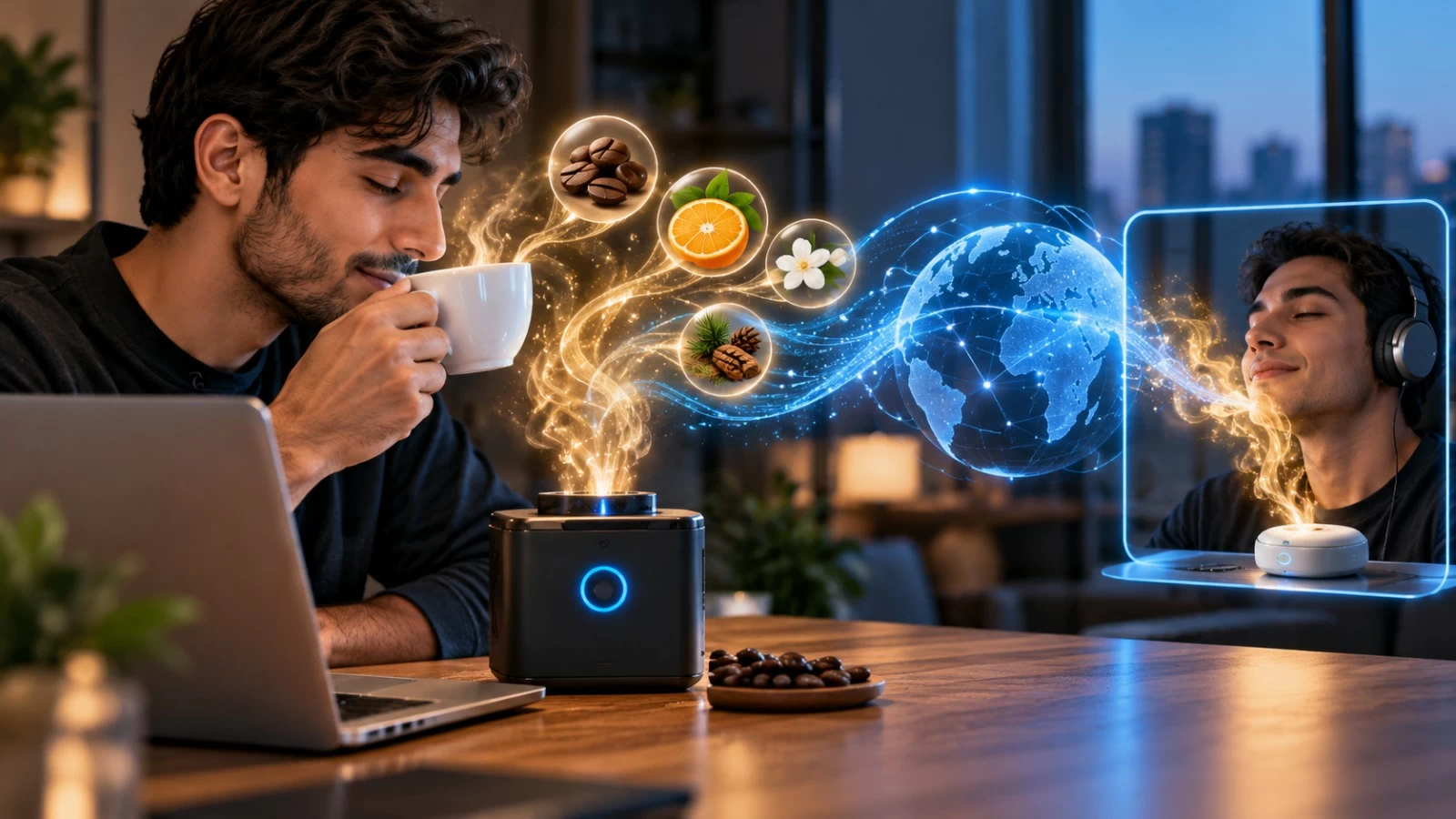
طور باحثون نظاماً جديداً مدعوماً بالذكاء الاصطناعي يستطيع التعرف على بعض الروائح وتحويل معلوماتها إلى بيانات رقمية، ثم إرسالها عبر الإنترنت إلى جهاز آخر يعيد إنتاج رائحة مشابهة في مكان بعيد.
وأطلق الباحثون على النظام اسم «Scentronic»، وطُوّر بمشاركة باحثين من جامعة ولاية أوهايو، ونُشرت تفاصيله في مجلة «Science Advances».
«أنف إلكتروني» يتعرف على الرائحة
ويعتمد النظام على «أنف إلكتروني» مزود بمجموعة من مستشعرات الغازات، ترصد المركبات المرتبطة بالروائح، قبل أن يستخدم نموذج للتعلم الآلي البيانات الناتجة للتعرف على نوع الرائحة.
ونجح النموذج الأولي حتى الآن في التعرف على خمس روائح مألوفة هي القهوة والبرتقال والكعك والبيرة والنبيذ الأحمر.
وبعد تحديد الرائحة، تُرسل معلوماتها رقمياً عبر منصة إلكترونية إلى جهاز استقبال يحتوي على سوائل عطرية، ليطلق رذاذاً يعيد تكوين الرائحة المناسبة للمستخدم.
وأكد الباحثون أن جزيئات الرائحة نفسها لا تنتقل عبر الإنترنت، وإنما تنتقل البيانات التي تحدد الرائحة، بينما يتولى الجهاز الموجود لدى المستقبل إعادة إنتاجها.
سوار وقلادة لإطلاق الروائح
وطور الفريق عدة نماذج من جهاز إنتاج الروائح، من بينها سوار يُرتدى حول المعصم وقلادة، إضافة إلى نسخة محمولة باليد، بينما يبلغ قطر جهاز «الأنف الإلكتروني» المستخدم في اكتشاف الروائح نحو 15 سنتيمتراً.
ويهدف الباحثون إلى جعل مشاركة الروائح جزءاً من التجارب الرقمية، إلى جانب الصور والصوت، بحيث يمكن مستقبلاً لشخص مشاركة رائحة وجبة مع شخص آخر يعيش في مكان بعيد.
التسوق والواقع الافتراضي
ومن الاستخدامات المحتملة للتقنية تعزيز تجارب الواقع الافتراضي والمعزز، إضافة إلى التسوق الإلكتروني، إذ قد تسمح مستقبلاً للمستخدم بتجربة رائحة عطر أو منتج قبل شرائه عبر الإنترنت.
لكن الباحثين أكدوا أن «Scentronic» لا يزال نموذجاً بحثياً، وأن تحويله إلى منتج تجاري يتطلب توسيع مكتبة الروائح وتحسين القدرة على التعامل مع الروائح المختلطة، إلى جانب رفع دقة إعادة إنتاجها وتقليل حجم الأجهزة وتطوير وسائل إعادة تعبئتها.
Researchers have developed a new AI-powered system that can recognize certain scents and convert their information into digital data, which is then sent over the internet to another device that reproduces a similar scent in a distant location.
The researchers named the system “Scentronic,” which was developed in collaboration with researchers from Ohio State University, and its details were published in the journal “Science Advances.”
An “electronic nose” that recognizes scents
The system relies on an “electronic nose” equipped with a set of gas sensors that detect compounds associated with scents, before using a machine learning model to analyze the resulting data to identify the type of scent.
The prototype has so far succeeded in recognizing five familiar scents: coffee, orange, cake, beer, and red wine.
After identifying the scent, its information is sent digitally via an online platform to a receiving device that contains aromatic liquids, which then releases a spray that recreates the scent suitable for the user.
The researchers confirmed that the scent molecules themselves do not travel over the internet; rather, the data that defines the scent is transmitted, while the device at the recipient’s end is responsible for reproducing it.
A bracelet and necklace for scent release
The team has developed several models of the scent production device, including a bracelet worn around the wrist and a necklace, in addition to a handheld version, while the diameter of the “electronic nose” used to detect scents is about 15 centimeters.
The researchers aim to make scent sharing a part of digital experiences, alongside images and sound, so that in the future, a person could share the scent of a meal with someone else living far away.
Shopping and virtual reality
Potential uses of the technology include enhancing virtual and augmented reality experiences, as well as online shopping, as it may eventually allow users to experience the scent of a perfume or product before purchasing it online.
However, the researchers emphasized that “Scentronic” is still a research prototype, and turning it into a commercial product requires expanding the scent library, improving the ability to handle mixed scents, as well as increasing the accuracy of reproduction, reducing the size of the devices, and developing means for refilling them.
للمزيد من المقالات
اضغط هنا
التعليقات