
تشاد تشدد المراقبة الصحية تحسبًا لوصول «إيبولا» – أخبار السعودية
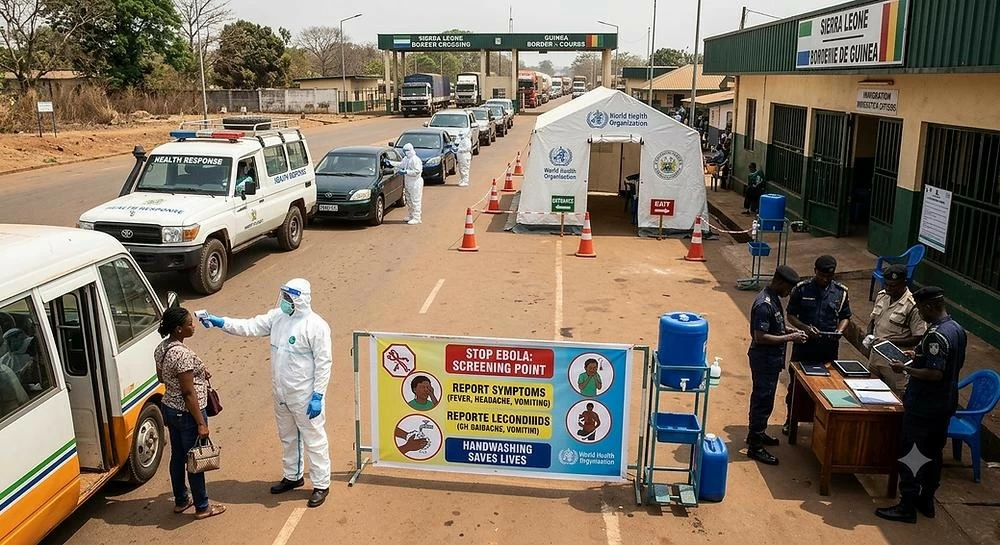
رفعت السلطات الصحية في تشاد مستوى المراقبة والتأهب لمواجهة خطر وصول فيروس «إيبولا» إلى البلاد، عقب تسجيل إصابة مؤكدة في نيجيريا المجاورة، مؤكدة عدم رصد أي حالة داخل الأراضي التشادية حتى الآن.
ووجّه وزير الصحة العامة والوقاية في تشاد، عبدالمجيد عبدالرحيم، بإعادة تفعيل إجراءات المراقبة بصورة فورية، خصوصًا في نقاط الدخول والمنافذ الحدودية، مع استخدام الكاميرات الحرارية وتعزيز آليات الكشف المبكر عن الحالات المشتبه بها.
مراقبة مشددة في المنافذ
وتشمل الإجراءات تعزيز المراقبة الوبائية في المنشآت الصحية العامة والخاصة والمجتمعات المحلية ونقاط الدخول ذات الأولوية، مع التحقيق الفوري في أي بلاغ يثير الاشتباه بالإصابة.
كما وضعت السلطات مركز عمليات طوارئ الصحة العامة في حالة تأهب، لتنسيق عمليات المراقبة والاستعداد اللوجستي ومتابعة تطورات الوضع بصورة يومية.
وتعمل وزارة الصحة على التأكد من جاهزية فرق التدخل السريع وتوافر معدات الحماية الشخصية والمستلزمات الطبية، إلى جانب تجهيز إمكانات فرز وعزل الحالات المشتبه بها ونقلها وإجراء الفحوص المخبرية اللازمة.
إصابة مؤكدة في نيجيريا
وجاء التحرك التشادي بعد تأكيد نيجيريا في 20 أكتوبر إصابة وافدة بفيروس «بونديبوغيو»، أحد الفيروسات المسببة لمرض إيبولا، لدى امرأة في العاصمة أبوجا سبق أن سافرت عبر أوغندا.
وأوضحت منظمة الصحة العالمية أن المريضة وُضعت في العزل وتتلقى الرعاية الطبية، فيما حددت السلطات النيجيرية 44 مخالطًا وتتابعهم صحيًا، بالتزامن مع استمرار التحقيق لتحديد مصدر العدوى ومسار تنقل المصابة.
تحذير للدول من التراخي
ودعت منظمة الصحة العالمية دول المنطقة إلى المحافظة على مستوى مرتفع من الجاهزية، وتعزيز المراقبة في المنافذ، والتأكد من قدرة المختبرات على فحص الحالات المشتبه بها، وتجهيز فرق الاستجابة السريعة والمستلزمات الطبية الضرورية.
وأكدت السلطات التشادية أن الإجراءات الحالية وقائية وتهدف إلى منع دخول المرض والكشف المبكر عن أي حالة محتملة، مع مواصلة التنسيق مع منظمة الصحة العالمية والجهات الصحية في دول المنطقة.
The health authorities in Chad have raised the level of surveillance and preparedness to face the risk of the Ebola virus reaching the country, following the confirmation of a case in neighboring Nigeria, while confirming that no cases have been detected within Chadian territory so far.
The Minister of Public Health and Prevention in Chad, Abdelmajid Abdelrahim, has directed the immediate reactivation of surveillance measures, particularly at points of entry and border crossings, using thermal cameras and enhancing mechanisms for the early detection of suspected cases.
Intensive monitoring at entry points
The measures include strengthening epidemiological surveillance in public and private health facilities, local communities, and priority entry points, along with the immediate investigation of any reports that raise suspicion of infection.
The authorities have also placed the Public Health Emergency Operations Center on alert to coordinate surveillance operations, logistical preparedness, and daily monitoring of the situation’s developments.
The Ministry of Health is working to ensure the readiness of rapid response teams and the availability of personal protective equipment and medical supplies, in addition to preparing facilities for sorting and isolating suspected cases, transporting them, and conducting necessary laboratory tests.
Confirmed case in Nigeria
The Chadian response came after Nigeria confirmed on October 20 a case of the “Bundi Bugyo” virus, one of the viruses that cause Ebola, in a woman in the capital Abuja who had previously traveled through Uganda.
The World Health Organization stated that the patient has been isolated and is receiving medical care, while Nigerian authorities have identified 44 contacts and are monitoring them for health, alongside ongoing investigations to determine the source of the infection and the patient’s travel history.
Warning to countries against complacency
The World Health Organization has urged countries in the region to maintain a high level of readiness, enhance monitoring at entry points, ensure laboratories’ capacity to test suspected cases, and equip rapid response teams with necessary medical supplies.
The Chadian authorities confirmed that the current measures are preventive and aim to prevent the entry of the disease and the early detection of any potential cases, while continuing coordination with the World Health Organization and health authorities in neighboring countries.
للمزيد من المقالات
اضغط هنا
التعليقات