
لأول مرة منذ 2022.. شحنة ديزل روسية تشق طريقها إلى الولايات المتحدة – أخبار السعودية
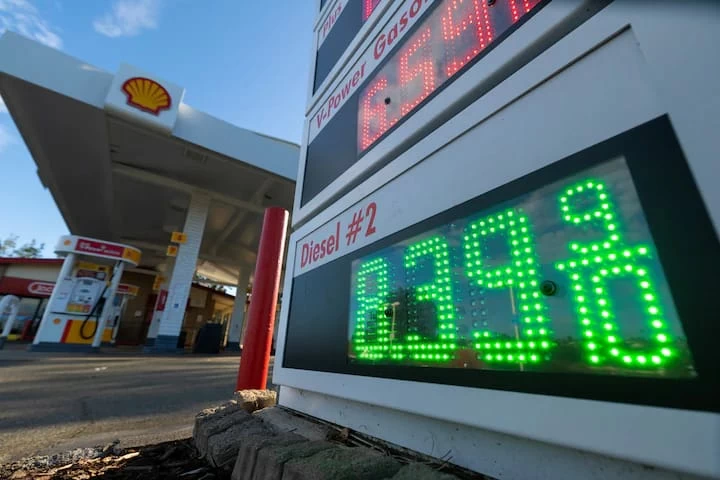
في تطورٍ لافتٍ في العلاقات التجارية بين واشنطن وموسكو، تتجه ناقلةٌ تحمل 40 ألف طن متري من الديزل الروسي إلى نيويورك، في خطوةٍ تأتي بموجب اتفاقٍ مفاجئٍ توصل إليه الرئيس الأمريكي دونالد ترمب مع روسيا خلال أكتوبر الجاري، ضمن مساعيه لخفض أسعار الوقود قبل انتخابات التجديد النصفي للكونغرس المقررة في 3 نوفمبر.
وأظهرت بيانات تتبع السفن، الجمعة، أن الناقلة متوسطة الحجم «أغيوي فانينديس»، التي ترفع علم مالطا، غادرت ميناء بريمورسك الروسي على بحر البلطيق بعد تحميل شحنةً من الديزل فائق الانخفاض في محتوى الكبريت في 22 أكتوبر، ومن المتوقع وصولها إلى الولايات المتحدة في 7 نوفمبر.
وتمثل الشحنة أول واردات أمريكية من النفط الروسي أو منتجاته البترولية منذ إعلان الرئيس الأمريكي السابق جو بايدن حظر استيراد هذه المنتجات عام 2022، على خلفية الحرب الروسية الأوكرانية، بحسب بيانات الشحن التي نقلتها وكالة «رويترز».
ولم تتضح على الفور هوية الجهة التي باعت الشحنة أو المشتري الذي سيتسلمها في الولايات المتحدة.
ترمب يلجأ إلى الوقود الروسي لخفض الأسعار
وأعلن ترمب، في 9 أكتوبر، اتفاقاً لاستئناف صادرات الديزل الروسي إلى الولايات المتحدة والأسواق العالمية، في محاولةٍ لزيادة المعروض وتخفيف الضغوط على أسعار الوقود التي ارتفعت بصورةٍ حادةٍ.
وبموجب الكميات التي أعلنها الرئيس الأمريكي، كان من المقرر أن تصدر روسيا فوراً 300 ألف طن متري، بما يعادل نحو 2.25 مليون برميل، على أن تتبعها شحناتٌ تبلغ 500 ألف طن في نوفمبر، ثم مليون طن إضافي «بعد ذلك مباشرةً».
وتأتي الخطوة في وقتٍ يسعى فيه ترمب إلى احتواء ارتفاع أسعار الديزل قبل انتخابات التجديد النصفي في الثالث من نوفمبر، والتي تمثل محطةً سياسيةً مهمةً لإدارته.
وفي سياق الاتفاق، خفف ترمب تطبيق أجزاء من قانونٍ أمريكيٍ جديدٍ للعقوبات على روسيا، كما لوّح بفرض حظرٍ على صادرات الديزل الأمريكية إلى أوروبا ما لم تفرج الدول الأوروبية عن كمياتٍ إضافيةٍ من احتياطياتها الطارئة للمساعدة في تهدئة الأسعار.
موسكو تتوقع زيادة صادرات الديزل
وقال نائب رئيس الوزراء الروسي ألكسندر نوفاك إن شحناتٍ إضافيةً ستتبع الشحنة الحالية، في وقتٍ تعمل فيه الشركات الروسية والأمريكية على استكمال العقود اللازمة لتنفيذ عمليات التسليم.
وأضاف نوفاك أن روسيا ستكون قادرةً على رفع صادراتها من الديزل إلى مستوياتها المعتادة، التي تتراوح بين 3 و3.5 مليون طن شهرياً، بحلول نهاية العام.
وكانت شحناتٌ مخصصةٌ للتصدير قد جرى تحميلها الأسبوع الماضي في ميناء بريمورسك على بحر البلطيق، لكن وجهاتها النهائية لم تكن واضحةً، إذ أظهرت بيانات تتبع السفن أن معظم الناقلات أشارت إلى جبل طارق أو الساحل الأطلسي أو بورسعيد باعتبارها وجهاتٍ محتملةً.
من جانبه، قال كيريل دميترييف، مبعوث الرئيس الروسي فلاديمير بوتين ورئيس صندوق الثروة السيادي الروسي، الأسبوع الماضي، إن وزارة الخزانة الأمريكية طلبت من الصندوق المساعدة في معالجة تعقيداتٍ تتعلق بآليات الدفع المرتبطة بالاتفاق.
كما تضمن الاتفاق موافقةً من روسيا على إنهاء الحظر الذي فرضته من جانبٍ واحدٍ على صادرات الديزل.
كيف تأثرت صادرات روسيا بالعقوبات الأوروبية؟
ومنذ فرض الاتحاد الأوروبي حظراً كاملاً على واردات المنتجات النفطية الروسية في فبراير 2023، على خلفية الحرب في أوكرانيا، اتجهت موسكو إلى أسواقٍ بديلةٍ لتصريف شحنات الديزل، في مقدمتها البرازيل وتركيا وعددٍ من الدول الأفريقية.
ويفتح الاتفاق الجديد مساراً استثنائياً لعودة الوقود الروسي إلى السوق الأمريكية، بعد سنواتٍ من القيود التجارية، في وقتٍ تحاول فيه واشنطن التعامل مع ارتفاع تكاليف الطاقة وتداعياتها الاقتصادية.
In a notable development in trade relations between Washington and Moscow, a tanker carrying 40,000 metric tons of Russian diesel is heading to New York, in a move that comes under a surprising agreement reached by U.S. President Donald Trump with Russia during October, as part of his efforts to lower fuel prices ahead of the midterm congressional elections scheduled for November 3.
Ship tracking data showed on Friday that the medium-sized tanker “Agioi Faninidis,” flying the Maltese flag, left the port of Primorsk in Russia on the Baltic Sea after loading a shipment of ultra-low sulfur diesel on October 22, and is expected to arrive in the United States on November 7.
This shipment represents the first U.S. imports of Russian oil or its petroleum products since former U.S. President Joe Biden announced a ban on importing these products in 2022, in response to the Russian-Ukrainian war, according to shipping data reported by Reuters.
The identity of the party that sold the shipment or the buyer who will receive it in the United States was not immediately clear.
Trump Turns to Russian Fuel to Lower Prices
On October 9, Trump announced an agreement to resume Russian diesel exports to the United States and global markets, in an attempt to increase supply and ease the pressures on fuel prices that have risen sharply.
Under the quantities announced by the U.S. president, Russia was set to immediately export 300,000 metric tons, equivalent to about 2.25 million barrels, followed by shipments of 500,000 tons in November, and then an additional million tons “right after that.”
This step comes at a time when Trump is seeking to contain rising diesel prices ahead of the midterm elections on November 3, which represent an important political milestone for his administration.
In the context of the agreement, Trump eased the application of parts of a new U.S. sanctions law on Russia, and hinted at imposing a ban on U.S. diesel exports to Europe unless European countries release additional quantities from their emergency reserves to help calm prices.
Moscow Expects Increase in Diesel Exports
Russian Deputy Prime Minister Alexander Novak stated that additional shipments will follow the current shipment, as Russian and American companies work to finalize the necessary contracts for delivery operations.
Novak added that Russia will be able to raise its diesel exports to its usual levels, which range between 3 and 3.5 million tons per month, by the end of the year.
Shipments designated for export were loaded last week at the Primorsk port on the Baltic Sea, but their final destinations were unclear, as ship tracking data showed that most tankers indicated Gibraltar, the Atlantic coast, or Port Said as potential destinations.
For his part, Kirill Dmitriev, envoy of Russian President Vladimir Putin and head of the Russian sovereign wealth fund, said last week that the U.S. Treasury Department requested the fund’s assistance in addressing complexities related to payment mechanisms associated with the agreement.
The agreement also included Russia’s consent to end its unilateral ban on diesel exports.
How Have European Sanctions Affected Russian Exports?
Since the European Union imposed a complete ban on imports of Russian petroleum products in February 2023, in response to the war in Ukraine, Moscow has turned to alternative markets to sell its diesel shipments, primarily Brazil, Turkey, and several African countries.
The new agreement opens an exceptional pathway for the return of Russian fuel to the U.S. market, after years of trade restrictions, at a time when Washington is trying to deal with rising energy costs and their economic repercussions.
للمزيد من المقالات
اضغط هنا
التعليقات