
أكثر من 500 مصاب وتحذيرات عاجلة.. أزمة مياه تقلق جنوب أفريقيا – أخبار السعودية
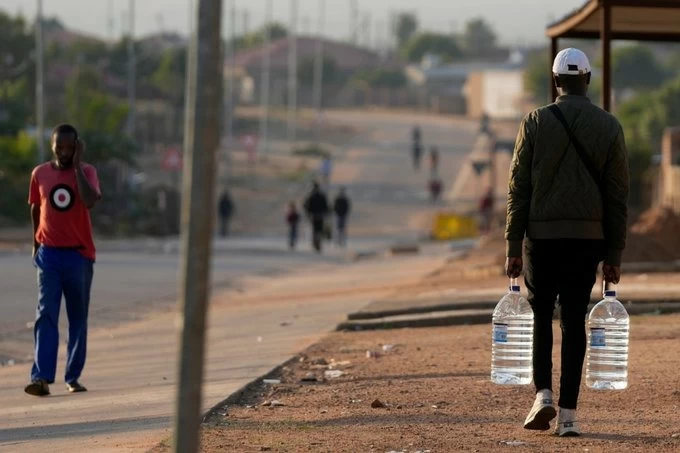
تواجه جنوب أفريقيا أزمة صحية مقلقة بعد إصابة أكثر من 500 شخص بأعراض معوية، بينها الإسهال وتقلصات المعدة، وسط تحذيرات من مخاطر المياه غير الآمنة وتحقيقات في مصدر الإصابات بمناطق متفرقة من البلاد.
وسجلت السلطات 408 حالات في مناطق شرق العاصمة بريتوريا بين 7 و18 أكتوبر الجاري، معظمها بين أطفال دون الرابعة، فيما تلقى أكثر من 100 طالب في جامعة رودس بمدينة غكبيرها الساحلية العلاج من أعراض مشابهة، وفق تقارير إعلامية.
وفي المناطق المتضررة شرق بريتوريا، ربطت السلطات الإصابات بمياه محطة معالجة برونخورستسبرويت، التي تزود عدة تجمعات سكنية بمياه الشرب، بعدما كشفت التحقيقات أن المياه لم تخضع للمعالجة بالكلور خلال الفترة من 24 سبتمبر إلى 14 أكتوبر، بسبب مشكلات واجهتها البلدية مع مورد الكلور.
وأظهرت اختبارات أجرتها السلطات مستويات مرتفعة للغاية من بكتيريا الإشريكية القولونية ومجموعات بكتيرية أخرى في المياه الخارجة من المحطة وخزانات قريبة، بما يدعم الاشتباه في تلوث الإمدادات بمياه الصرف الصحي.
كما كشفت فحوص عينات من المرضى عن وجود مسببات مرضية، بينها فايروس نوروفيروس وبكتيريا كامبيلوباكتر وشيغيلا. ولم تُكتشف بكتيريا الكوليرا في عينات البراز التي خضعت للتحليل، وفق وزارة الصحة والجهات المعنية بالمياه في جنوب أفريقيا.
ودعت السلطات السكان في المناطق المتضررة إلى عدم شرب مياه الصنابير أو استخدامها في إعداد الطعام أو الاستحمام وغسل الأغذية، حتى بعد غليها، إلى حين التأكد من سلامتها. وأطلقت البلدية إجراءات طارئة لتوفير مياه الشرب عبر صهاريج متنقلة، فيما وزعت منظمة «جيفت أوف ذا جيفرز» الخيرية مياهاً معبأة على السكان.
وأقرت السلطات بوجود إخفاق في إبلاغ السكان بأن المياه غير آمنة، وهو ما أثار انتقادات بشأن إدارة الأزمة ومدى سرعة الاستجابة للمخاطر الصحية. وأعلنت الجهات الحكومية فتح تحقيقات إضافية لتحديد أسباب التلوث والمسؤوليات المرتبطة به، إلى جانب إجراء اختبارات مستقلة لجودة المياه.
وفي بؤرة الإصابات قرب بريتوريا، لم تُسجل وفيات حتى إعلان السلطات نتائجها الأولية في 19 أكتوبر، فيما أفادت الجهات الصحية بانخفاض أعداد الحالات الجديدة خلال الأيام التالية، مع استمرار التحذيرات من استخدام مياه الصنابير.
أما في غكبيرها، حيث عولج أكثر من 100 طالب في جامعة رودس من أعراض معوية مشابهة، فلا تزال التحقيقات جارية لتحديد مصدر الإصابات، ولا ينبغي افتراض ارتباطها بالمصدر نفسه الذي تسبب في حالات شرق بريتوريا قبل اكتمال الفحوص.
South Africa is facing a concerning health crisis after more than 500 people exhibited gastrointestinal symptoms, including diarrhea and stomach cramps, amid warnings about the dangers of unsafe water and investigations into the source of infections in various regions of the country.
Authorities recorded 408 cases in areas east of the capital Pretoria between October 7 and 18, most of which were among children under four years old, while more than 100 students at Rhodes University in the coastal city of Gqeberha received treatment for similar symptoms, according to media reports.
In the affected areas east of Pretoria, authorities linked the infections to water from the Bronkhorstspruit treatment plant, which supplies several residential communities with drinking water, after investigations revealed that the water had not been chlorinated between September 24 and October 14 due to issues faced by the municipality with the chlorine supplier.
Tests conducted by authorities showed extremely high levels of Escherichia coli bacteria and other bacterial groups in the water coming from the plant and nearby reservoirs, supporting suspicions of contamination of the supplies with sewage.
Samples from patients also revealed the presence of pathogens, including the norovirus and Campylobacter and Shigella bacteria. Cholera bacteria were not detected in the stool samples that were analyzed, according to the Department of Health and the water authorities in South Africa.
Authorities urged residents in the affected areas not to drink tap water or use it for cooking or bathing and washing food, even after boiling, until its safety could be confirmed. The municipality launched emergency measures to provide drinking water through mobile tankers, while the charity organization “Gift of the Givers” distributed bottled water to residents.
Authorities acknowledged a failure to inform residents that the water was unsafe, which raised criticisms regarding the management of the crisis and the speed of the response to health risks. Government agencies announced the opening of additional investigations to determine the causes of the contamination and the responsibilities associated with it, alongside conducting independent tests of water quality.
In the outbreak area near Pretoria, no fatalities were reported until authorities announced their preliminary results on October 19, while health officials reported a decrease in new cases in the following days, with continued warnings against using tap water.
In Gqeberha, where more than 100 students at Rhodes University were treated for similar gastrointestinal symptoms, investigations are still ongoing to determine the source of the infections, and it should not be assumed that they are linked to the same source that caused cases east of Pretoria until tests are completed.
للمزيد من المقالات
اضغط هنا
التعليقات