
هجوم سيبراني يستهدف أكبر بنك في الهند ويكشف بيانات نحو 3900 عميل – أخبار السعودية
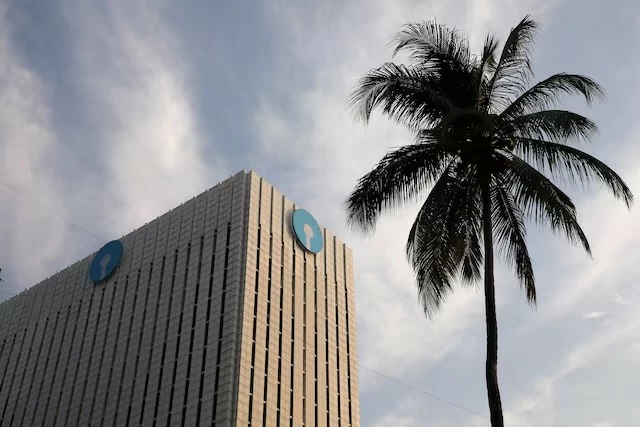
أعلن بنك الدولة الهندي (SBI)، الأربعاء، تعرضه لهجوم سيبراني أدى إلى تسريب سجلات 3897 عميلاً تتضمن معلومات شخصية حساسة، ظهرت على الإنترنت المظلم، في حادثة تعيد تسليط الضوء على التحديات الأمنية التي تواجه المؤسسات المصرفية في ظل تصاعد التهديدات الإلكترونية.
وأوضح البنك أن التحليل الأولي للحادثة كشف عن انكشاف مجموعة من البيانات التي تسمح بالتعرف على هوية العملاء، شملت الأسماء وأرقام الهواتف المحمولة وتواريخ الميلاد وعناوين البريد الإلكتروني والعناوين السكنية، إضافةً إلى معرّفات العلامات التجارية والعملاء وسجلات القروض.
تحقيق لتحديد نطاق تسريب البيانات
وقال البنك إنه استعان بجهة مستقلةً متخصصةً في الأمن السيبراني لإجراء تقييم شاملٍ للحادثة والتحقيق في طبيعة تسريب البيانات ومدى اتساع نطاقه، بهدف تحديد المعلومات التي تعرضت للكشف وفهم ملابسات الواقعة.
وأشار البنك إلى أن التسريب لا يُتوقع أن يكون له تأثير جوهرياً في عملياته المصرفية الأساسية أو أدائه المالي أو استمرارية أعماله.
ولم يوضح البيان، وفق المعلومات المتاحة، الجهة التي تقف وراء الهجوم أو كيفية الوصول إلى البيانات، كما لم يحدد ما إذا كانت المعلومات المسربة قد استُخدمت بالفعل في عمليات احتيال أو أنشطة إلكترونية ضارةً.
تصاعد المخاطر السيبرانية على القطاع المصرفي
وتأتي الحادثة في وقت تتزايد فيه الضغوط التنظيمية على المؤسسات المالية في الهند لتعزيز أنظمة الأمن السيبراني، مع تكثيف الجهات الرقابية جهودها لدفع البنوك إلى تطوير آليات حماية البيانات ومواجهة التهديدات الإلكترونية التي تستهدف القطاع المالي.
وتكتسب هذه المخاطر أهميةً خصوصاً في ظل طبيعة البيانات المصرفية، التي قد تتيح للمهاجمين، في حال إساءة استخدامها، تنفيذ محاولات احتيال أو انتحال هوية أو استهداف العملاء برسائل واتصالات مضللةً.
كما أن ظهور البيانات الشخصية على الإنترنت المظلم قد يزيد من مخاطر استغلالها لاحقاً، حتى في حال عدم وجود مؤشرات فوريةً على تأثر العمليات المصرفية الأساسية.
ما تداعيات التسريب على العملاء؟
وبحسب خبراء أمن سيبراني، قد يؤدي انكشاف بيانات مثل أرقام الهواتف والعناوين وتواريخ الميلاد، إلى جانب معلومات مرتبطة بالقروض، إلى زيادة احتمالات تعرض العملاء لمحاولات التصيد الإلكتروني أو انتحال الهوية، خصوصاً إذا جرى دمج هذه المعلومات مع بيانات أخرى متاحة للمهاجمين.
وفي انتظار نتائج التحقيق المستقل، تظل طبيعة الاستخدام المحتمل للبيانات المسربة وحجم الأضرار الفعلية غير محسومين.
وتسلط الواقعة الضوء على أهمية تعزيز حماية المعلومات الشخصية في القطاع المصرفي، ورفع كفاءة أنظمة الرصد والاستجابة للحوادث، إلى جانب توعية العملاء بضرورة الحذر من الرسائل والمكالمات التي تطلب بياناتهم المصرفية أو رموز التحقق الخاصة بهم.
The State Bank of India (SBI) announced on Wednesday that it suffered a cyber attack that led to the leakage of records of 3,897 customers, including sensitive personal information, which appeared on the dark web, in an incident that highlights the security challenges facing banking institutions amid rising cyber threats.
The bank explained that the initial analysis of the incident revealed the exposure of a set of data that allows for the identification of customers, including names, mobile phone numbers, dates of birth, email addresses, and residential addresses, in addition to brand and customer identifiers and loan records.
Investigation to Determine the Scope of the Data Leak
The bank stated that it has engaged an independent entity specializing in cybersecurity to conduct a comprehensive assessment of the incident and investigate the nature of the data leak and its extent, with the aim of identifying the information that was exposed and understanding the circumstances of the incident.
The bank indicated that the leak is not expected to have a material impact on its core banking operations, financial performance, or business continuity.
The statement did not clarify, according to the available information, the entity behind the attack or how the data was accessed, nor did it specify whether the leaked information had already been used in fraudulent activities or harmful electronic activities.
Rising Cyber Risks in the Banking Sector
This incident comes at a time when regulatory pressures on financial institutions in India are increasing to enhance cybersecurity systems, with regulatory bodies intensifying their efforts to push banks to develop data protection mechanisms and address the cyber threats targeting the financial sector.
These risks are particularly significant given the nature of banking data, which, if misused, could allow attackers to carry out fraud attempts, identity theft, or target customers with misleading messages and communications.
Moreover, the appearance of personal data on the dark web may increase the risks of its exploitation later, even in the absence of immediate indicators of impact on core banking operations.
What are the Implications of the Leak for Customers?
According to cybersecurity experts, the exposure of data such as phone numbers, addresses, and dates of birth, along with information related to loans, could increase the likelihood of customers falling victim to phishing attempts or identity theft, especially if this information is combined with other data available to attackers.
While awaiting the results of the independent investigation, the potential nature of the use of the leaked data and the extent of actual damages remain unresolved.
This incident highlights the importance of enhancing the protection of personal information in the banking sector, improving the efficiency of monitoring and incident response systems, and raising customer awareness about the need to be cautious of messages and calls requesting their banking information or verification codes.
للمزيد من المقالات
اضغط هنا
التعليقات