
الصحة المصرية: لا تفشٍ وبائيًا لمرض «الخناق الحنجري» – أخبار السعودية
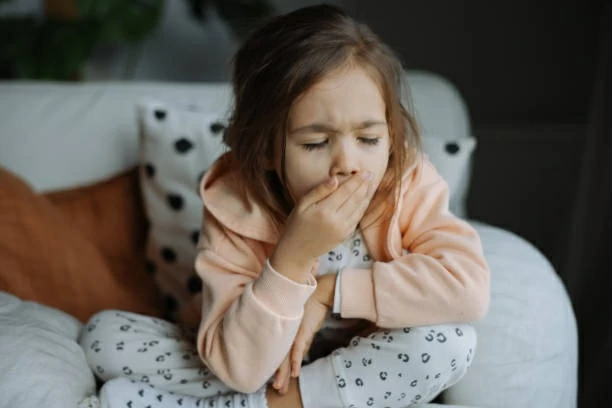
أثارت أنباء متداولة حول انتشار مرض يُعرف بـ(الخناق الحنجري) حالة من القلق بين عدد من أولياء الأمور في مصر، قبل أن تصدر وزارة الصحة توضيحات رسمية أكدت فيها أن الأمر يتعلق بالتهاب تنفسي موسمي معروف، وليس مرضًا جديدًا أو تفشيًا وبائيًا.
وأوضحت الوزارة أن (الخناق الحنجري) ينتج عن فايروسات تنفسية شائعة تصيب الحنجرة والقصبة الهوائية، ويظهر عادة خلال فصلي الخريف والشتاء، مشيرة إلى أن معدلات الإصابة الحالية تقع ضمن الحدود الطبيعية والمعتادة لهذا الوقت من العام. كما شددت على أن المرض لا يرتبط بمرض الدفتيريا المعروف، موضحة أن الأخير مرض بكتيري مختلف تمامًا، وأن الأطفال يحصلون على الحماية منه عبر اللقاحات المدرجة ضمن برنامج التطعيمات الإلزامية. وأشارت إلى أن الفئة الأكثر عرضة للإصابة هي الأطفال الصغار بين ستة أشهر وثلاث سنوات، بينما تنخفض فرص الإصابة بعد سن الخامسة، مؤكدة عدم رصد أي تفشٍ غير معتاد داخل المدارس أو الحضانات.
ودعت الوزارة أولياء الأمور إلى الالتزام بالإجراءات الوقائية، مثل غسل اليدين بانتظام، والحرص على التهوية الجيدة، وإبقاء الأطفال المرضى في المنزل حتى تمام التعافي، مع تجنب استخدام المضادات الحيوية دون استشارة طبية.
Reports circulating about the spread of a disease known as (croup) have caused concern among several parents in Egypt, before the Ministry of Health issued official clarifications confirming that the matter relates to a known seasonal respiratory inflammation, and not a new disease or an epidemic outbreak.
The ministry explained that (croup) is caused by common respiratory viruses that affect the larynx and trachea, and it usually appears during the fall and winter seasons. It noted that the current infection rates are within the normal and expected limits for this time of year. It also emphasized that the disease is not related to the well-known diphtheria, clarifying that the latter is a completely different bacterial disease, and that children receive protection from it through the vaccines included in the mandatory vaccination program. The ministry pointed out that the most vulnerable group to infection is young children between six months and three years, while the chances of infection decrease after the age of five, confirming that no unusual outbreaks have been observed in schools or nurseries.
The ministry urged parents to adhere to preventive measures, such as regularly washing hands, ensuring good ventilation, and keeping sick children at home until they fully recover, while avoiding the use of antibiotics without medical consultation.
للمزيد من المقالات
اضغط هنا
التعليقات