
95 % من فيديوهات العناية الكورية على تيك توك مضللة – أخبار السعودية
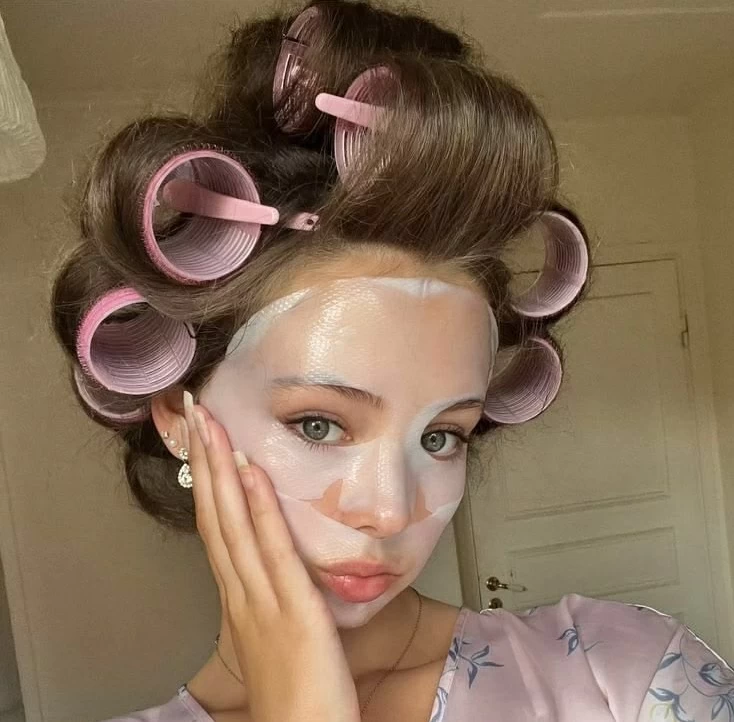
كشفت دراستان عُرضتا خلال مؤتمر الأكاديمية الأوروبية للأمراض الجلدية والتناسلية لعام 2026 عن مخاطر محتوى العناية بالبشرة المنتشر عبر منصات التواصل الاجتماعي، بعد رصد معلومات مضللة في غالبية فيديوهات العناية الكورية بالبشرة، إلى جانب حالات تضرر جلدي ارتبطت باستخدام منتجات رُوّج لها عبر هذه المنصات.
وحللت الدراسة الأولى 38 مقطعاً شائعاً على «تيك توك» حول البشرة الزجاجية وروتين العناية الكوري، ووجدت أن نحو 95% منها تتضمن ادعاءً مضللاً واحداً على الأقل، فيما أغفلت غالبية المقاطع التحذيرات الأساسية، مثل احتمالات التهيج وأهمية استخدام واقي الشمس.
وفي دراسة منفصلة شملت 94 مريضاً ظهرت لديهم مشكلات جلدية جديدة أو تفاقمت حالاتهم بعد استخدام منتجات رُوّج لها عبر وسائل التواصل، رُصد التهاب الجلد التماسي المهيّج لدى 42% منهم، فيما سُجل ظهور حب الشباب أو تفاقمه لدى 28%، وتفاقم الوردية لدى 12%، إلى جانب حروق كيميائية سطحية لدى 7%.
وربط الباحثون هذه المشكلات بالاستخدام المتزامن لعدة مكونات فعالة، مثل أحماض التقشير والريتينويدات وفيتامين سي، دون مراعاة نوع البشرة أو التداخلات المحتملة بين المنتجات، محذرين من أن انتشار الروتين التجميلي لا يعني بالضرورة سلامته أو ملاءمته للجميع.
وتسلط النتائج الضوء على أهمية التحقق من مصادر المعلومات قبل تجربة الوصفات الرائجة، والتدرج في إدخال المنتجات الجديدة، واستشارة طبيب الجلدية عند ظهور تهيّجاً أو تفاقم المشكلات الجلدية، بدلاً من الاستمرار في تجربة المنتجات المتداولة على أمل الحصول على نتائج سريعة.
Two studies presented at the 2026 European Academy of Dermatology and Venereology conference revealed the risks associated with skincare content widely shared on social media platforms, after identifying misleading information in the majority of Korean skincare videos, along with cases of skin damage linked to the use of products promoted through these platforms.
The first study analyzed 38 popular clips on “TikTok” about glass skin and Korean skincare routines, finding that about 95% of them contained at least one misleading claim, while the majority of the clips overlooked essential warnings, such as the potential for irritation and the importance of using sunscreen.
In a separate study involving 94 patients who developed new skin issues or whose conditions worsened after using products promoted on social media, irritant contact dermatitis was observed in 42% of them, while acne or its exacerbation was recorded in 28%, worsening rosacea in 12%, along with superficial chemical burns in 7%.
The researchers linked these issues to the simultaneous use of multiple active ingredients, such as exfoliating acids, retinoids, and vitamin C, without considering skin type or potential interactions between products, warning that the popularity of a beauty routine does not necessarily mean it is safe or suitable for everyone.
The results highlight the importance of verifying information sources before trying trending recipes, gradually introducing new products, and consulting a dermatologist when irritation or worsening skin issues arise, rather than continuing to try popular products in hopes of achieving quick results.
للمزيد من المقالات
اضغط هنا
التعليقات