
دراسة أمريكية: أدوية الكوليسترول ترتبط بانخفاض خطر الإصابة بالمياه الزرقاء – أخبار السعودية
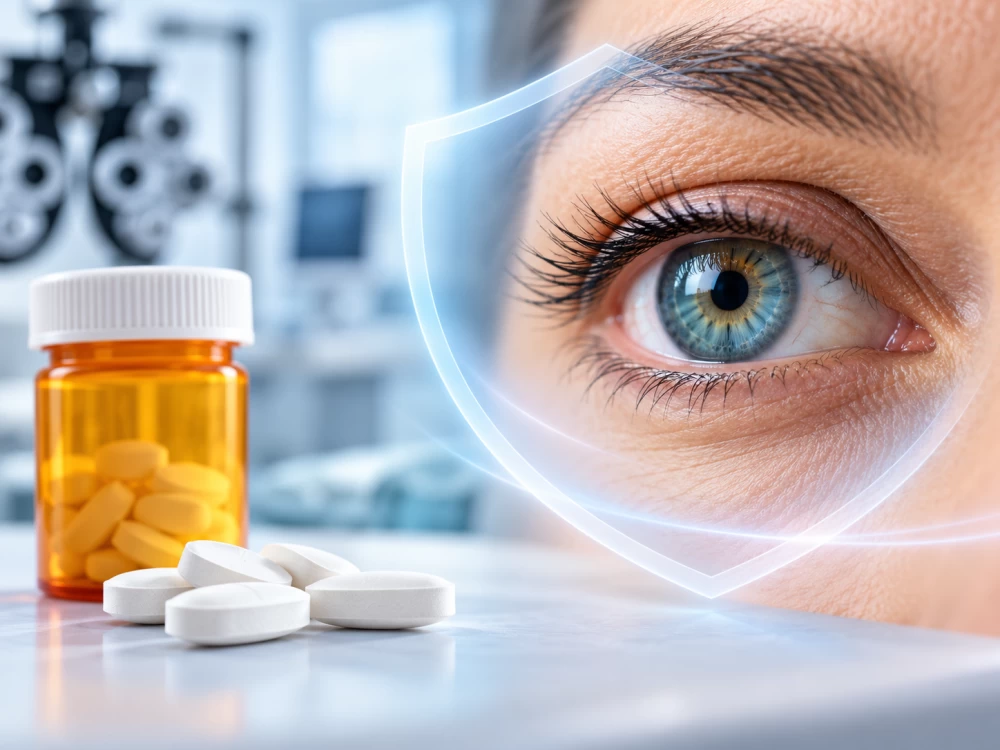
كشفت دراسة أمريكية حديثة نُشرت إلكترونياً في «المجلة البريطانية لطب العيون»، عن ارتباط استخدام أدوية «الستاتين» الخافضة للكوليسترول بانخفاض خطر الإصابة بالغلوكوما، المعروفة بـ«المياه الزرقاء»، إلى جانب تقليل الحاجة إلى التدخلات العلاجية الإضافية لدى المصابين بالمرض.
وأظهرت النتائج أن مستخدمي هذه الأدوية كانوا أقل عرضة للإصابة بالغلوكوما الأولية مفتوحة الزاوية بنسبة 15% مقارنة بالأشخاص الذين لا يتناولونها.
وتُعد الغلوكوما أحد أبرز أسباب فقدان البصر غير القابل للعكس، نتيجة التلف الدائم الذي يصيب العصب البصري. ورغم أن أدوية الستاتين تُستخدم أساساً لخفض مستويات الكوليسترول، فإن دراسات سابقة أشارت إلى احتمال امتلاكها خصائص تساعد على حماية الخلايا العصبية، ما دفع الباحثين إلى استكشاف تأثيرها المحتمل على هذا المرض.
واعتمد الباحثون على تحليل بيانات أكثر من 165 مليون شخص، مع إجراء مقارنة بين أكثر من 210 آلاف مستخدم لأدوية الستاتين ومجموعة مماثلة تضم أكثر من 210 آلاف شخص لا يتناولونها.
وبعد متابعة استمرت خمس سنوات، بلغت نسبة الإصابات الجديدة بالغلوكوما 2.3% بين مستخدمي الستاتين، مقابل 2.6% لدى غير المستخدمين.
وشملت الدراسة أيضاً أكثر من 30 ألف مريض بالغلوكوما يتناولون أدوية الستاتين، جرت مقارنة بياناتهم بنحو 250 ألف مريض لا يستخدمون هذه الأدوية.
وأظهرت النتائج ارتباط استخدام الستاتين بانخفاض الحاجة إلى تصعيد العلاج، إذ تراجع خطر الخضوع لجراحات الغلوكوما التقليدية بنسبة 36%، والجراحات طفيفة التوغل «MIGS» بنسبة 55%، والعلاج بالليزر الانتقائي «SLT» بنسبة 60%، فيما انخفضت الحاجة إلى قطرات العين الخافضة للضغط بنسبة 12%، وذلك خلال خمس سنوات.
ورغم النتائج المشجعة، شدد الباحثون على أن الدراسة رصدية، ولا تثبت وجود علاقة سببية مباشرة بين تناول الستاتين والوقاية من الغلوكوما أو إبطاء تطورها.
وأوضح الباحثون أن النتائج تشير إلى ارتباط استخدام هذه الأدوية بانخفاض معدلات الإصابة بالغلوكوما الأولية مفتوحة الزاوية، وتراجع الحاجة إلى تصعيد العلاج، مؤكدين أهمية إجراء تجارب عشوائية مستقبلية للتحقق من هذه النتائج.
A recent American study published online in the “British Journal of Ophthalmology” revealed a link between the use of cholesterol-lowering “statin” medications and a reduced risk of developing glaucoma, known as “blue water,” as well as a decreased need for additional therapeutic interventions among those affected by the disease.
The results showed that users of these medications were 15% less likely to develop primary open-angle glaucoma compared to individuals who do not take them.
Glaucoma is one of the leading causes of irreversible vision loss, due to the permanent damage it causes to the optic nerve. Although statin medications are primarily used to lower cholesterol levels, previous studies have suggested that they may possess properties that help protect nerve cells, prompting researchers to explore their potential impact on this disease.
The researchers relied on the analysis of data from over 165 million people, comparing more than 210,000 statin users with a similar group of over 210,000 individuals who do not take them.
After a five-year follow-up, the rate of new glaucoma cases was 2.3% among statin users, compared to 2.6% among non-users.
The study also included more than 30,000 glaucoma patients taking statins, whose data were compared with about 250,000 patients not using these medications.
The results showed an association between statin use and a decreased need for treatment escalation, with a 36% reduction in the risk of undergoing traditional glaucoma surgeries, a 55% reduction in minimally invasive glaucoma surgeries (MIGS), and a 60% reduction in selective laser trabeculoplasty (SLT), while the need for pressure-lowering eye drops decreased by 12% over five years.
Despite the encouraging results, the researchers emphasized that the study is observational and does not prove a direct causal relationship between statin use and glaucoma prevention or slowing its progression.
The researchers clarified that the findings indicate an association between the use of these medications and lower rates of primary open-angle glaucoma, as well as a reduced need for treatment escalation, stressing the importance of conducting future randomized trials to verify these results.
للمزيد من المقالات
اضغط هنا
التعليقات