
202 ألف حالة اشتباه و1147 وفاة.. الحصبة تفاقم الأزمة الصحية في بنغلاديش – أخبار السعودية
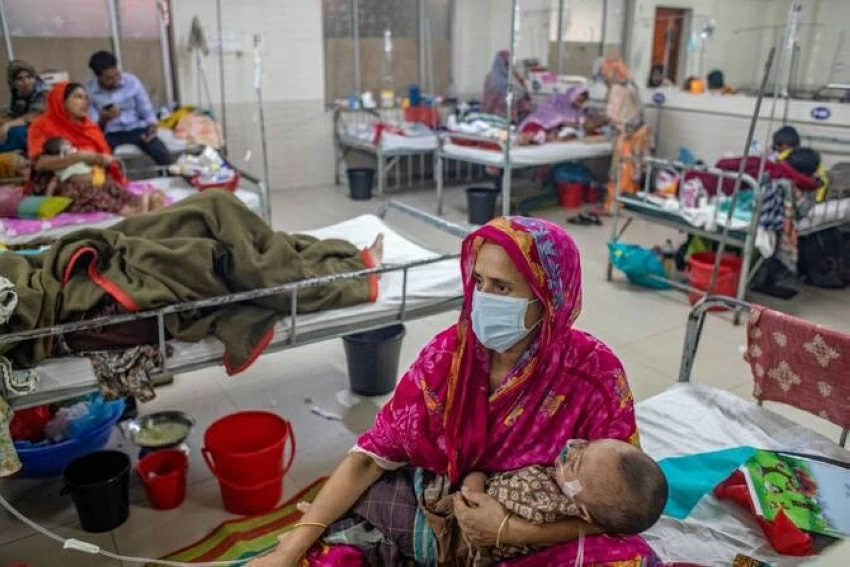
تواجه بنغلاديش أسوأ تفشٍ للحصبة في العالم خلال العام الحالي، مع تسجيل أكثر من 202 ألف حالة اشتباه و1147 وفاة، معظمها بين الأطفال دون الخامسة، وسط تحذيرات من أن تراجع التطعيمات وضعف الاستجابة الصحية قد يحولان المرض القابل للوقاية إلى أزمة واسعة النطاق.
وقالت منظمة الصحة العالمية إن السلطات البنغلاديشية أبلغت عن 202 ألف حالة اشتباه بالإصابة بالحصبة منذ منتصف مارس وحتى 9 أكتوبر، تأكدت نحو 22 ألف حالة منها مخبرياً، في أكبر حصيلة للحالات المشتبه بها تسجلها دولة خلال العام الحالي. وأضافت المنظمة أن الأطفال دون الخامسة يمثلون 94% من الوفيات المسجلة.
وتأتي الأزمة بعدما تعثر برنامج التطعيم الروتيني في بنغلاديش خلال عام 2025، لتتسع الفجوات في المناعة بين الأطفال وتتهيأ الظروف لانتشار الفايروس، حيث اعتبر الخبراء ضعف قواعد البيانات الصحية وقصور حملات التوعية وعدم الوصول إلى جميع الأطفال المستهدفين يعيق جهود احتواء التفشي، رغم إطلاق حملة تطعيم طارئة.
وتسلط الأزمة الضوء على أهمية الحفاظ على تغطية مرتفعة بالتطعيمات، إذ توصي منظمة الصحة العالمية بالوصول إلى تغطية تبلغ 95% بجرعتين من لقاح الحصبة للحد من انتشار العدوى ومنع التفشيات، وعندما تنخفض المناعة المجتمعية عن هذا المستوى، تزداد فرص انتقال الفايروس، خصوصاً بين الأطفال غير المطعمين أو الذين لم يستكملوا جرعاتهم.
ولا تقتصر خطورة الحصبة على الطفح الجلدي والحمى؛ فالمرض شديد العدوى ويمكن أن يؤدي إلى مضاعفات خطيرة، من بينها الالتهاب الرئوي والتهاب الدماغ، وقد يفضي إلى الوفاة، لا سيما لدى الأطفال الصغار وسوء التغذية ومن يعانون ضعف المناعة. ويظل التطعيم الوسيلة الأساسية للوقاية منه وتقليل مخاطر المضاعفات.
وتواجه بنغلاديش تحدياً إضافياً يتمثل في الضغط على مرافق الرعاية الصحية، في وقت تكافح فيه البلاد أيضاً تفشي حمى الضنك، حيث يزيد تزامن الأزمات الصحية من صعوبة توفير العلاج العاجل واستيعاب الحالات، فيما تبرز الحاجة إلى تحسين رصد الإصابات، والوصول إلى المناطق الأقل خدمة، وضمان توافر اللقاحات والكوادر الطبية.
وحذر خبراء من أن ما يحدث في بنغلاديش يمثل إنذاراً لدول أخرى، لأن تراجع التطعيمات الروتينية قد يبدد سنوات من التقدم في مكافحة الأمراض المعدية، كما أن الاعتماد على حملات الطوارئ وحدها لا يعوض بسهولة غياب التطعيم المنتظم، الذي يظل أقل كلفة وأكثر فاعلية في منع التفشيات قبل وقوعها.
Bangladesh is facing the worst measles outbreak in the world this year, with over 202,000 suspected cases and 1,147 deaths, most of them among children under five, amid warnings that declining vaccination rates and weak health responses could turn this preventable disease into a widespread crisis.
The World Health Organization reported that Bangladeshi authorities have reported 202,000 suspected cases of measles from mid-March to October 9, with about 22,000 of those confirmed laboratory cases, marking the largest number of suspected cases recorded by any country this year. The organization added that children under five represent 94% of the recorded deaths.
The crisis comes after the routine vaccination program in Bangladesh faltered in 2025, widening immunity gaps among children and creating conditions for the virus to spread. Experts noted that weak health data systems, inadequate awareness campaigns, and failure to reach all targeted children hinder efforts to contain the outbreak, despite the launch of an emergency vaccination campaign.
The crisis highlights the importance of maintaining high vaccination coverage, as the World Health Organization recommends achieving 95% coverage with two doses of the measles vaccine to reduce the spread of infection and prevent outbreaks. When community immunity falls below this level, the chances of virus transmission increase, especially among unvaccinated children or those who have not completed their doses.
The dangers of measles extend beyond the rash and fever; the disease is highly contagious and can lead to serious complications, including pneumonia and encephalitis, and may result in death, particularly among young children, the malnourished, and those with weakened immune systems. Vaccination remains the primary means of preventing it and reducing the risks of complications.
Bangladesh faces an additional challenge with pressure on healthcare facilities, as the country is also battling a dengue fever outbreak, where the overlap of health crises complicates the provision of urgent treatment and the capacity to handle cases. There is a pressing need to improve disease surveillance, reach underserved areas, and ensure the availability of vaccines and medical personnel.
Experts warned that what is happening in Bangladesh serves as a warning to other countries, as the decline in routine vaccinations could undo years of progress in combating infectious diseases. Additionally, relying solely on emergency campaigns cannot easily compensate for the absence of regular vaccinations, which remain less costly and more effective in preventing outbreaks before they occur.
للمزيد من المقالات
اضغط هنا
التعليقات