
السياري: 87% من التزامات البنوك السعودية محلية.. والاقتصاد أثبت مرونته أمام الصدمات – أخبار السعودية
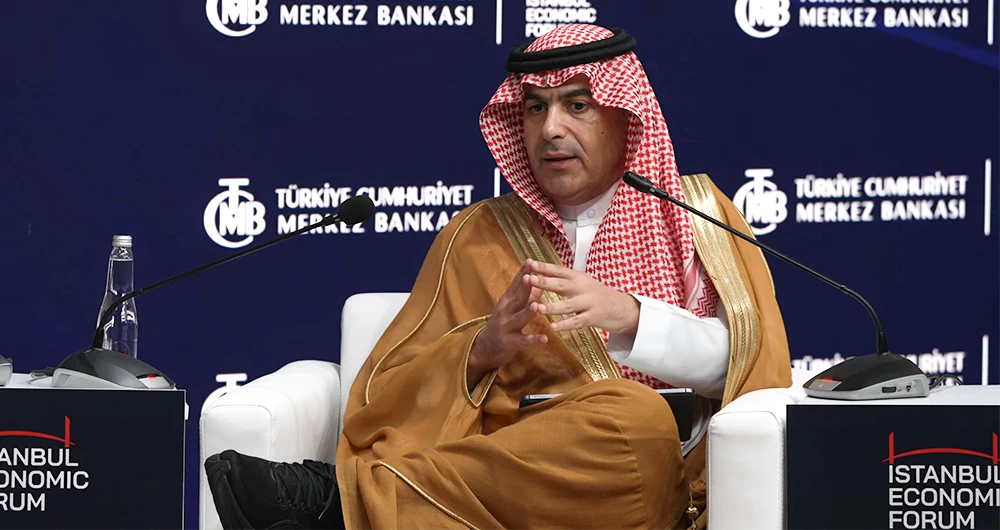
كشف محافظ البنك المركزي السعودي «ساما» أيمن السياري، أن نحو 87% من التزامات البنوك السعودية تأتي من مصادر محلية، ما يحد من تأثر القطاع المصرفي بتقلبات تدفقات رؤوس الأموال الخارجية، مؤكداً أن البنوك السعودية حافظت على متانتها واستقرارها رغم التوترات الجيوسياسية التي تشهدها المنطقة.
وأوضح السياري، خلال مشاركته اليوم في منتدى إسطنبول الاقتصادي، أن نسبة تغطية السيولة لدى البنوك السعودية تتجاوز 170%، فيما بلغت نسبة صافي التمويل المستقر 114.6%، ما يعكس قوة مستويات السيولة ورأس المال، وقدرة القطاع على مواجهة التحديات ومواصلة تمويل الأنشطة الاقتصادية.
وأشار إلى استمرار قدرة البنوك السعودية على الوصول إلى أسواق التمويل والاقتراض، ومواصلة تمويل المشروعات رغم التحديات التي تواجه الأسواق العالمية، مستفيدة من استقرار قاعدة التمويل المحلية.
وأكد أن الاقتصاد السعودي أظهر مرونة في مواجهة الصدمات الناتجة عن الصراعات الإقليمية واضطرابات حركة التجارة وإمدادات الطاقة، مدعوماً بالاحتياطيات والهوامش المالية المتاحة، والاستثمارات طويلة الأجل في البنية التحتية، والإصلاحات الاقتصادية.
وبيّن أن استثمارات المملكة في البنية التحتية لقطاع الطاقة أثبتت أهميتها خلال الاضطرابات الحالية في مضيق هرمز والبحر الأحمر، إذ أسهم خط أنابيب النفط شرق-غرب في المحافظة على استمرارية إمدادات النفط للعملاء بطاقة تبلغ نحو 5.8 مليون برميل يومياً، إلى جانب طاقات إضافية لنقل وتصدير النفط، ما ساعد المملكة على تعويض جزء كبير من التراجع الناتج عن اضطرابات مسارات الشحن التقليدية.
ولفت إلى أن هذه التجربة تؤكد أهمية الاستثمار في البنية التحتية خلال فترات الاستقرار، وبناء الاحتياطيات والقدرات التشغيلية اللازمة لامتصاص الصدمات عند حدوث الأزمات.
وفي ما يتعلق بأداء الاقتصاد السعودي، أكد السياري أن الإصلاحات المرتبطة برؤية السعودية 2030 بدأت تؤتي ثمارها، إذ واصلت الأنشطة غير النفطية تحقيق نمو إيجابي اقترب من 3%، رغم انكماش الاقتصاد خلال ربعين متتاليين من عام 2026 نتيجة تراجع مساهمة القطاع النفطي.
وأرجع نمو الأنشطة غير النفطية إلى استمرار الطلب المحلي، وانخفاض معدلات البطالة بين السعوديين إلى مستويات قياسية، والإصلاحات الاقتصادية التي نفذتها المملكة خلال السنوات الماضية.
وأشار إلى أن التضخم في المملكة ظل عند مستويات معتدلة مقارنة بالتطورات العالمية، مدعوماً بالسياسات الحكومية والإجراءات المتعلقة بالإيجارات وسياسة سعر الصرف، إلى جانب الاستثمارات في البنية التحتية التي أسهمت في الحد من اختناقات العرض.
The Governor of the Saudi Central Bank “SAMA,” Ayman Al-Sayari, revealed that about 87% of the obligations of Saudi banks come from local sources, which limits the impact of external capital flow fluctuations on the banking sector. He affirmed that Saudi banks have maintained their robustness and stability despite the geopolitical tensions in the region.
Al-Sayari explained, during his participation today in the Istanbul Economic Forum, that the liquidity coverage ratio of Saudi banks exceeds 170%, while the net stable funding ratio reached 114.6%, reflecting the strength of liquidity and capital levels, as well as the sector’s ability to face challenges and continue financing economic activities.
He pointed out the continued ability of Saudi banks to access financing and borrowing markets and to continue funding projects despite the challenges facing global markets, benefiting from the stability of the local funding base.
He emphasized that the Saudi economy has shown resilience in facing shocks resulting from regional conflicts and disruptions in trade and energy supplies, supported by available reserves and financial margins, long-term investments in infrastructure, and economic reforms.
He indicated that the Kingdom’s investments in the energy sector’s infrastructure have proven their importance during the current disruptions in the Strait of Hormuz and the Red Sea, as the East-West oil pipeline has contributed to maintaining the continuity of oil supplies to customers at a capacity of about 5.8 million barrels per day, alongside additional capacities for transporting and exporting oil, which helped the Kingdom compensate for a significant part of the decline resulting from disruptions in traditional shipping routes.
He noted that this experience underscores the importance of investing in infrastructure during periods of stability, and building reserves and operational capacities necessary to absorb shocks when crises occur.
Regarding the performance of the Saudi economy, Al-Sayari confirmed that the reforms linked to Saudi Vision 2030 have started to bear fruit, as non-oil activities continued to achieve positive growth close to 3%, despite the contraction of the economy during two consecutive quarters of 2026 due to the decline in the oil sector’s contribution.
He attributed the growth of non-oil activities to the continued domestic demand, the decrease in unemployment rates among Saudis to record levels, and the economic reforms implemented by the Kingdom over the past years.
He pointed out that inflation in the Kingdom remained at moderate levels compared to global developments, supported by government policies and measures related to rents and exchange rate policy, along with investments in infrastructure that contributed to alleviating supply bottlenecks.
للمزيد من المقالات
اضغط هنا
التعليقات