
ترمب يفتح باب المفاجآت مع إيران.. اتفاق قريب أم عودة للحرب؟ – أخبار السعودية
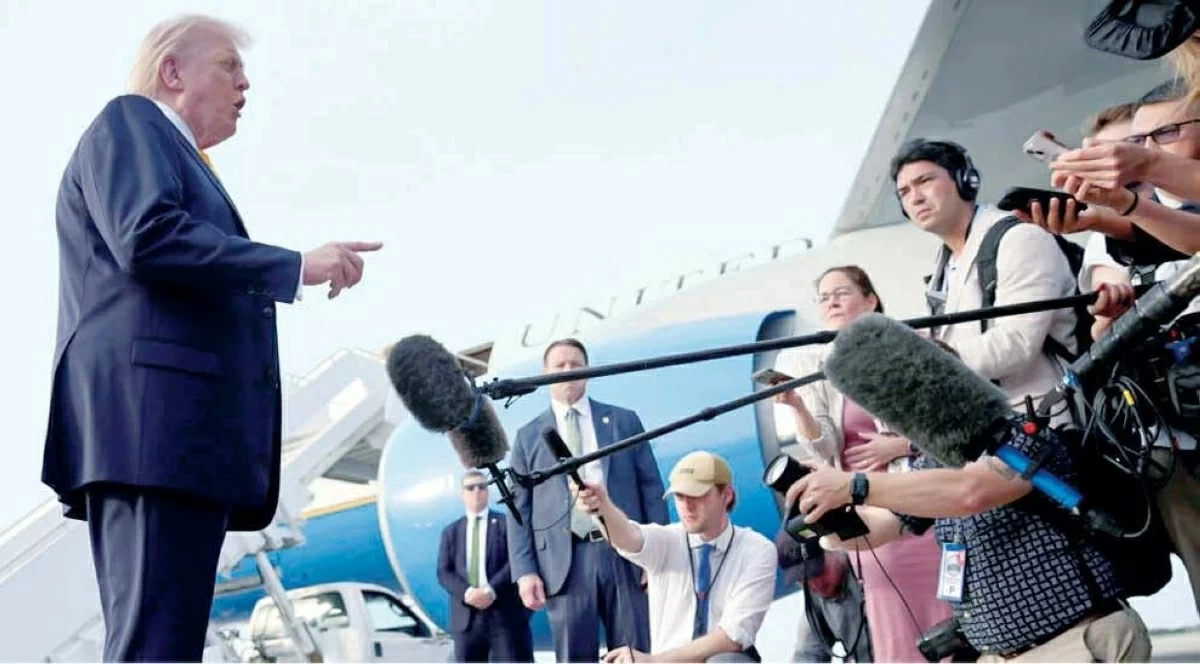
نفى الرئيس الأمريكي دونالد ترمب إجراء مفاوضات مع إيران في الوقت الراهن، لكنه ألمح إلى تطورات قريبة، وسط تقارير عن استعداد واشنطن وتل أبيب لاستئناف الضربات العسكرية ضد طهران عقب انتخابات التجديد النصفي الأمريكية في نوفمبر المقبل.
وقال ترمب، رداً على أسئلة الصحفيين بشأن الاتصالات مع إيران، إن الولايات المتحدة لا تتفاوض مع طهران حاليا، لكنه أشار إلى إمكانية التوصل إلى اتفاق «بطريقة أو بأخرى» في وقت قريب نسبيا، مرجحا أن تتضح الأمور بعد الانتخابات.
وأضاف الرئيس الأمريكي أن بلاده تخوض صراعا محدودا مع إيران، معربا عن اعتقاده بأن الولايات المتحدة تحقق أداء جيدا للغاية على المستويين العسكري والمالي، ومؤكدا أنه أرسل إلى طهران ما وصفه بـ«الصفقة الحقيقية».
وتأتي تصريحات ترمب في وقت تتزايد فيه المؤشرات على تعثر المسار الدبلوماسي بين واشنطن وطهران، رغم محاولات الوساطة التي شاركت فيها قطر وباكستان. ولا تزال الخلافات قائمة بشأن البرنامج النووي الإيراني، وشروط تخفيف الضغوط الأمريكية، ومستقبل الملاحة في مضيق هرمز.
ضربات جديدة بعد انتخابات نوفمبر؟
وفي تطور متصل، أفادت صحيفة «نيويورك تايمز» بأن الولايات المتحدة وإسرائيل أعدتا خططا لشن ضربات جديدة على إيران بعد انتخابات التجديد النصفي الأمريكية المقررة في الثالث من نوفمبر، في ظل تكثيف التدريبات العسكرية والاستعدادات لاحتمال استئناف العمليات.
وذكر التقرير، نقلا عن مسؤولين أمريكيين وأشخاص مطلعين على المناقشات، أن الأهداف المحتملة قد تشمل منشآت نووية، ومخزونات الصواريخ والطائرات المسيرة، إلى جانب البنية التحتية للطاقة الإيرانية.
وأشار التقرير إلى أن الاستعدادات تشمل تدريبات جوية تحاكي تنفيذ ضربات، فيما ناقش وزير الدفاع الأمريكي بيت هيغسيث ورئيس الوزراء الإسرائيلي بنيامين نتنياهو الخيارات المتعلقة بإيران خلال لقاءات واتصالات حديثة.
لكن التقارير لا تعني اتخاذ قرار نهائي بشن هجوم؛ إذ يظل تنفيذ أي عملية عسكرية مرهونا بقرار ترمب، الذي سبق أن أعلن في الثامن من أكتوبر أن الولايات المتحدة لن تستأنف الهجمات على إيران قبل انتخابات نوفمبر، متحدثا آنذاك عن وجود مناقشات وصفها بالإيجابية.
مضيق هرمز والبرنامج النووي في قلب الأزمة
وتعود جذور المواجهة الحالية إلى الحرب التي اندلعت في 28 فبراير، عندما شنت الولايات المتحدة وإسرائيل ضربات على إيران، وردت طهران بهجمات صاروخية وبالطائرات المسيرة، فيما امتدت تداعيات الصراع إلى أمن الملاحة في مضيق هرمز، أحد أهم الممرات البحرية لنقل النفط والغاز في العالم.
ومنذ ذلك الحين، تعثرت الجهود الرامية إلى إنهاء الحرب، في ظل الخلافات بشأن القدرات النووية الإيرانية، وحرية الملاحة، والضغوط العسكرية والاقتصادية المفروضة على طهران.
وتكتسب انتخابات التجديد النصفي الأمريكية أهمية إضافية في حسابات التصعيد، إذ قد تؤثر تداعيات الحرب على أسعار الطاقة والاقتصاد الأمريكي والمشهد السياسي الداخلي. ومع ذلك، لا تزال نتيجة المسار الحالي غير محسومة بين استئناف العمليات العسكرية ومحاولة التوصل إلى تسوية.
U.S. President Donald Trump denied that negotiations with Iran are taking place at the moment, but hinted at upcoming developments, amid reports of Washington and Tel Aviv’s readiness to resume military strikes against Tehran following the upcoming U.S. midterm elections in November.
Trump, in response to questions from reporters about communications with Iran, stated that the United States is not negotiating with Tehran currently, but indicated the possibility of reaching an agreement “one way or another” relatively soon, suggesting that things may become clearer after the elections.
The U.S. president added that his country is engaged in a limited conflict with Iran, expressing his belief that the United States is performing very well on both military and financial levels, and confirming that he sent what he described as “the real deal” to Tehran.
Trump’s statements come at a time when indicators of a diplomatic impasse between Washington and Tehran are increasing, despite mediation attempts involving Qatar and Pakistan. Disagreements remain regarding the Iranian nuclear program, the conditions for easing U.S. pressures, and the future of navigation in the Strait of Hormuz.
New strikes after the November elections?
In a related development, the New York Times reported that the United States and Israel have prepared plans to carry out new strikes on Iran after the U.S. midterm elections scheduled for November 3, amid intensified military drills and preparations for the possibility of resuming operations.
The report, citing U.S. officials and individuals familiar with the discussions, indicated that potential targets could include nuclear facilities, missile and drone stockpiles, as well as Iranian energy infrastructure.
The report noted that preparations include aerial drills simulating strike execution, while U.S. Defense Secretary Pete Hegseth and Israeli Prime Minister Benjamin Netanyahu discussed options related to Iran during recent meetings and communications.
However, the reports do not indicate a final decision to launch an attack; any military operation remains contingent upon Trump’s decision, who previously announced on October 8 that the United States would not resume attacks on Iran before the November elections, at that time mentioning positive discussions.
The Strait of Hormuz and the nuclear program at the heart of the crisis
The roots of the current confrontation date back to the war that erupted on February 28, when the United States and Israel launched strikes on Iran, and Tehran responded with missile and drone attacks, while the repercussions of the conflict extended to the security of navigation in the Strait of Hormuz, one of the most important maritime routes for transporting oil and gas in the world.
Since then, efforts to end the war have stalled amid disagreements over Iran’s nuclear capabilities, freedom of navigation, and the military and economic pressures imposed on Tehran.
The U.S. midterm elections gain additional significance in the escalation calculations, as the repercussions of the war may affect energy prices, the U.S. economy, and the domestic political scene. Nevertheless, the outcome of the current trajectory remains uncertain between resuming military operations and attempting to reach a settlement.
للمزيد من المقالات
اضغط هنا
التعليقات