
اليمن يرفض الوساطة الإيرانية: طهران طرف في الحرب وليست وسيطاً – أخبار السعودية
رفضت الحكومة اليمنية اليوم (السبت)، محاولات النظام الإيراني تقديم نفسه وسيطاً في الأزمة اليمنية، مؤكدة أن طهران ليست طرفاً بعيداً عن الحرب، بل تتحمل مسؤولية دعم الانقلاب الحوثي وإطالة أمد الصراع عبر التسليح والتمويل والتدريب وتزويد المليشيا بالصواريخ والطائرات المسيّرة والخبراء.
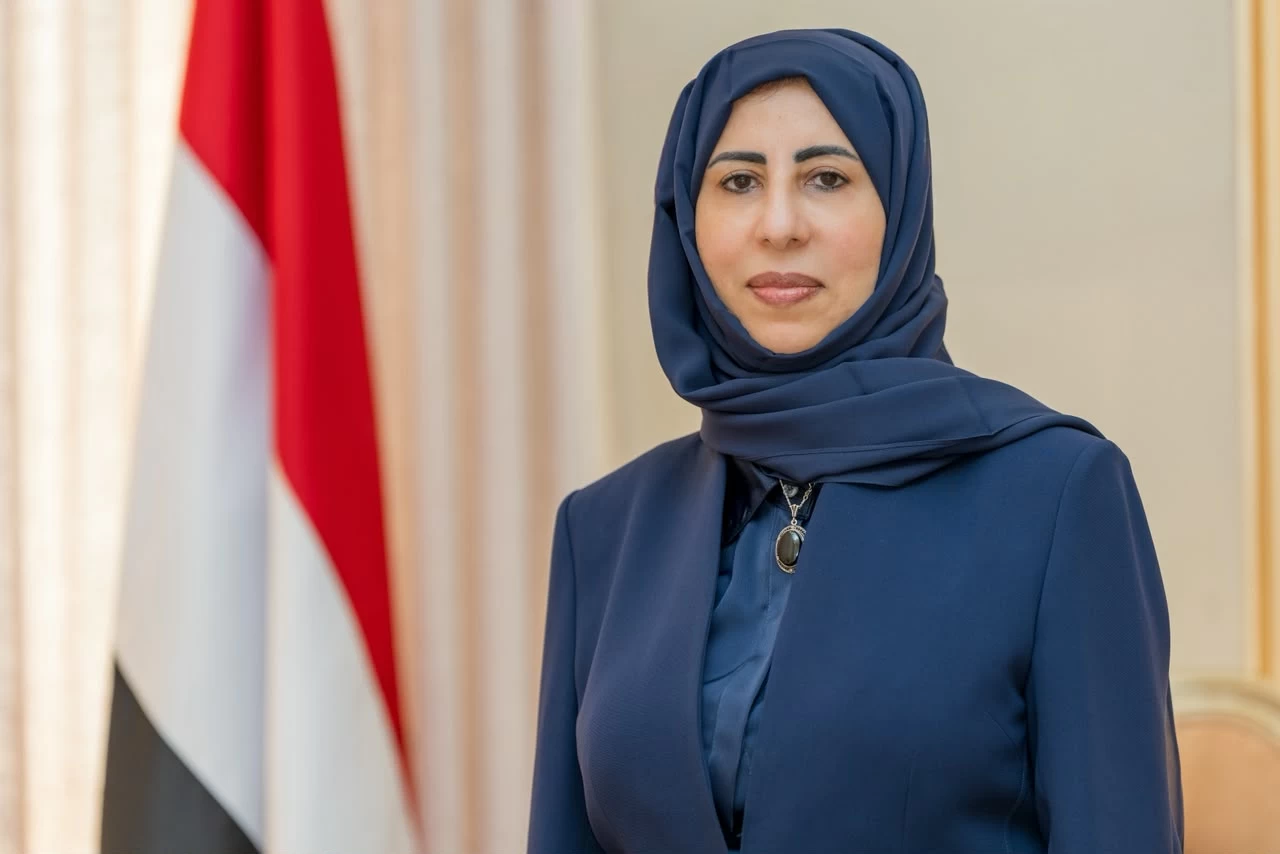
وأكدت وزيرة الخارجية وشؤون المغتربين الدكتورة أفراح الزوبة، أن تصريحات وزير الخارجية الإيراني ومسؤولين في وزارته بشأن ما وصفته طهران بـ«الوساطة» لا يمكن أن تحجب دور النظام الإيراني في إشعال الحرب وتقويض فرص السلام، مشددة على أن الأولى بطهران أن توقف تدخلاتها وتسحب يدها وسلاحها من اليمن، وتحترم سيادة الدول والقانون الدولي ومبادئ حسن الجوار.
وقالت الزوبة، في تصريح لوكالة الأنباء اليمنية (سبأ)، إن إيران جعلت من نفسها طرفاً في الحرب على اليمنيين من خلال تسليح مليشيا الحوثي الإرهابية وتمويلها، معتبرة أن طرح الوساطة في ظل استمرار هذا الدعم يمثل استفزازاً للشعب اليمني وأسر ضحايا السلاح الإيراني.
وربطت الوزيرة التصريحات الإيرانية بتصعيد المليشيا واعتداءاتها، التي تشمل استهداف مقري الرئاسة والحكومة ومطار العاصمة المؤقتة عدن، وحصار تعز وقصف أحيائها السكنية، واستهداف المدنيين في مأرب ومحافظات أخرى، إلى جانب الهجمات على مطارات المملكة العربية السعودية ومنشآتها المدنية وتهديد الملاحة الدولية.
وأشارت إلى أن المليشيا المدعومة من طهران لم تستجب للجهود الدولية والإقليمية، بما فيها خريطة الطريق التي قدمتها المملكة العربية السعودية للعودة إلى المسار السياسي، متهمة إياها باستغلال فترات التهدئة لإعادة تنظيم صفوفها وتعزيز قدراتها العسكرية، فيما يسعى النظام الإيراني، إلى استخدام اليمن ورقة تفاوضية في صراعاته الإقليمية، وتحميل شعوب المنطقة تبعات سياساته.
ورفضت الزوبة محاولات طهران منح مليشيا الحوثي صفة تمثيل اليمن أو تسميتها «القوات المسلحة اليمنية»، مؤكدة أن التعامل الإيراني مع المليشيا لا يمنحها شرعية تمثيل الدولة ولا يخول النظام الإيراني الوصاية على القرار الوطني اليمني. وشددت على أن الادعاء بأن المليشيا تتصرف وفق حساباتها الخاصة لا يعفي طهران من مسؤولية تسليحها وتمكينها، كما رفضت استخدام شعار «رفع الحصار» ذريعة لتعطيل تنفيذ حظر السلاح المفروض عليها.
وجددت وزيرة الخارجية تضامن الجمهورية اليمنية الكامل مع المملكة العربية السعودية قيادةً وحكومةً وشعباً، وتأييد حقها في الدفاع عن أمنها وحماية مواطنيها والمقيمين على أراضيها وفق القانون الدولي، مؤكدة أن أمن البلدين مترابط، وأن المملكة قدمت لليمن دعماً اقتصادياً وإغاثياً وتنموياً، في مقابل استمرار الدعم الإيراني المسلح للمليشيا، الذي فاقم معاناة اليمنيين وقوّض فرص استعادة الأمن والاستقرار.
كما أدانت الاعتداءات الإيرانية على دول مجلس التعاون الخليجي والمملكة الأردنية الهاشمية، معتبرة أنها تأتي ضمن نهج يقوم على التدخل في شؤون الدول وتسليح المليشيات لفرض النفوذ بالقوة. وأكدت الوزيرة اليمنية أن أمن اليمن وأشقائه وحدة لا تتجزأ، وأن مواجهة هذه التدخلات تتطلب موقفاً حازماً يوقف دعم الجماعات المسلحة ويحمي سيادة الدول واستقرار شعوبها.
واستحضرت الوزيرة خطوات إيرانية قالت إنها تمثل انتهاكاً لسيادة اليمن، من بينها تسليم مقار دبلوماسية يمنية في طهران لممثل عن المليشيا في نوفمبر 2019، وتهريب ضابط من الحرس الثوري إلى صنعاء في أكتوبر 2020 وتقديمه بصفة سفير لدى الحوثيين، وصولاً إلى تسيير رحلات إلى مطار صنعاء في يوليو 2026 دون موافقة الحكومة الشرعية، مؤكدة أن هذه الممارسات مخالفة لقواعد التعامل بين الدول وانتهاكاً لاتفاقية فيينا للعلاقات الدبلوماسية.
وفي المقابل، فرّقت الزوبة بين الشعب الإيراني وسياسات النظام الحاكم، مؤكدة أن اليمنيين وشعوب المنطقة تجمعهم روابط تاريخية وحضارية، وأن استقرار المنطقة يتطلب توجيه الموارد نحو التنمية والتعاون بدلاً من تمويل المليشيا وزعزعة الأمن.
ودعت المجتمع الدولي إلى اتخاذ موقف حازم إزاء التدخلات الإيرانية، ودعم الحكومة اليمنية الشرعية في استعادة مؤسسات الدولة وبسط سلطتها على كامل الأراضي اليمنية وفق المرجعيات الثلاث المتفق عليها، والعمل على تصنيف مليشيا الحوثي منظمة إرهابية، وتجفيف مصادر تمويلها ومحاسبة مموليها، وإنفاذ حظر تسليحها بموجب قراري مجلس الأمن 2216 و2624.
The Yemeni government rejected today (Saturday) the Iranian regime’s attempts to present itself as a mediator in the Yemeni crisis, affirming that Tehran is not a party distant from the war, but rather bears responsibility for supporting the Houthi coup and prolonging the conflict through armament, funding, training, and supplying the militia with missiles, drones, and experts.
Foreign Minister and Minister of Expatriate Affairs Dr. Afrah Al-Zouba confirmed that the statements made by the Iranian Foreign Minister and officials in his ministry regarding what Tehran described as “mediation” cannot obscure the Iranian regime’s role in igniting the war and undermining peace opportunities, stressing that Tehran should first stop its interventions, withdraw its hand and weapons from Yemen, and respect the sovereignty of states, international law, and the principles of good neighborliness.
Al-Zouba stated in a statement to the Yemeni News Agency (Saba) that Iran has made itself a party in the war against Yemenis by arming and funding the terrorist Houthi militia, considering that proposing mediation while this support continues represents a provocation to the Yemeni people and the families of victims of Iranian weapons.
The minister linked the Iranian statements to the militia’s escalation and attacks, which include targeting the presidential and government headquarters and the temporary capital’s airport in Aden, besieging Taiz and shelling its residential neighborhoods, and targeting civilians in Marib and other provinces, in addition to attacks on airports and civilian facilities in the Kingdom of Saudi Arabia and threatening international navigation.
She pointed out that the Tehran-backed militia has not responded to international and regional efforts, including the roadmap presented by the Kingdom of Saudi Arabia to return to the political track, accusing it of exploiting periods of calm to reorganize its ranks and enhance its military capabilities, while the Iranian regime seeks to use Yemen as a bargaining chip in its regional conflicts, burdening the peoples of the region with the consequences of its policies.
Al-Zouba rejected Tehran’s attempts to grant the Houthi militia the status of representing Yemen or to name it “the Yemeni Armed Forces,” affirming that the Iranian dealings with the militia do not grant it legitimacy to represent the state nor authorize the Iranian regime to oversee the Yemeni national decision. She emphasized that the claim that the militia acts according to its own calculations does not absolve Tehran of the responsibility of arming and empowering it, and she also rejected using the slogan “lifting the siege” as a pretext to disrupt the implementation of the arms embargo imposed on it.
The Foreign Minister renewed the full solidarity of the Republic of Yemen with the Kingdom of Saudi Arabia, its leadership, government, and people, and supported its right to defend its security and protect its citizens and residents on its territory in accordance with international law, affirming that the security of the two countries is interconnected, and that the Kingdom has provided Yemen with economic, humanitarian, and developmental support, in contrast to the continued Iranian armed support for the militia, which has exacerbated the suffering of Yemenis and undermined opportunities to restore security and stability.
She also condemned the Iranian attacks on the Gulf Cooperation Council countries and the Hashemite Kingdom of Jordan, considering them part of a policy based on interference in the affairs of states and arming militias to impose influence by force. The Yemeni minister affirmed that the security of Yemen and its brothers is an indivisible unit, and that confronting these interventions requires a firm stance to stop support for armed groups and protect the sovereignty of states and the stability of their peoples.
She recalled Iranian steps that she said represent a violation of Yemen’s sovereignty, including handing over Yemeni diplomatic premises in Tehran to a representative of the militia in November 2019, smuggling a Revolutionary Guard officer to Sana’a in October 2020 and presenting him as an ambassador to the Houthis, culminating in operating flights to Sana’a airport in July 2026 without the approval of the legitimate government, affirming that these practices violate the rules of conduct between states and are a violation of the Vienna Convention on Diplomatic Relations.
In contrast, Al-Zouba distinguished between the Iranian people and the policies of the ruling regime, affirming that the Yemenis and the peoples of the region share historical and civilizational ties, and that the stability of the region requires directing resources towards development and cooperation instead of funding militias and destabilizing security.
She called on the international community to take a firm stance regarding Iranian interventions, support the legitimate Yemeni government in restoring state institutions and asserting its authority over all Yemeni territories according to the three agreed references, work on classifying the Houthi militia as a terrorist organization, drying up its funding sources, holding its financiers accountable, and enforcing the arms embargo against it under Security Council Resolutions 2216 and 2624.
للمزيد من المقالات
اضغط هنا
التعليقات