
احتباس التعبير في «أكثر بكثير» لبسّام كوسا – أخبار السعودية
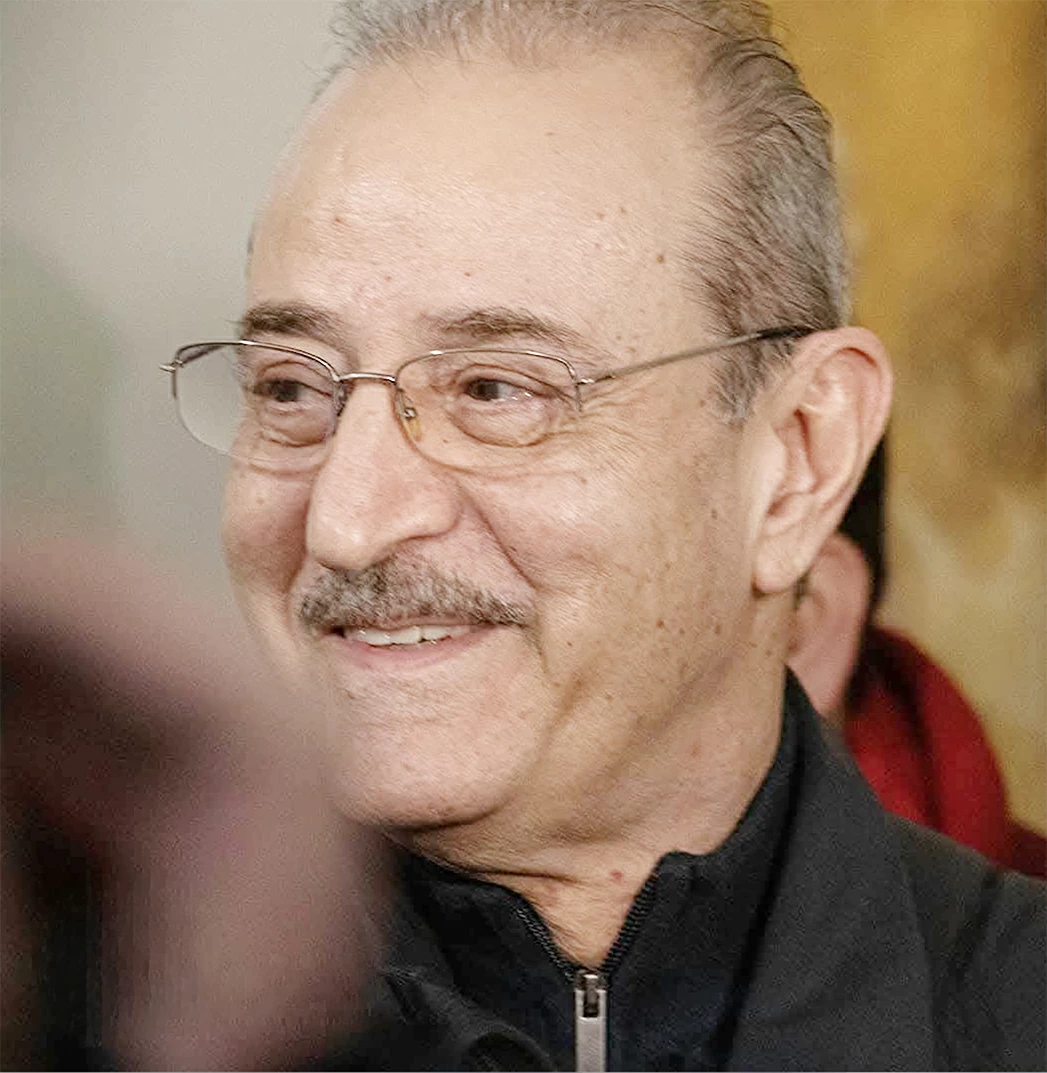
في رواية (أكثر بكثير) للفنان بسّام كوسا، تتنامى أسئلة صامتة؛ تقوم على ما أنا؟ ولما أنا؟
من أبطال الرواية (مبروك) إنسانٌ ينبثق من رغبة ويتجلى في هيئة بشرية تحمل صفات الحياة في عمق الموت المطبق، وسط ضجيج المأساة البشرية التي تتطبع بصفات التمازج الحضاري.
يغدو الفراغ في العمل؛ ميزة فلسفية ترتبط بالمساحة التي يُسمح فيها للفرد بممارسة حريته، واتخاذها شكلاً من أشكال التفرد، علماً بأن الفراغ هوّة يقع فيها الإنسان باحثاً عن الهوية والتجانس والتجاوب والاستجابة والرضا والقبول والتقبل، وفي ظل غياب التوازن المجتمعي، تظهر هوية الفرد بفطرية أكبر بكثير مما يقابلها من استقرار وهدوء حذِر.
تُبنى الشخصية الإنسانية بناءً موضوعياً، عندما تمنح حريتها بشكل سوي في ظل إطار قانوني جامع، لا تمييز فيها باسم السلطة والثروة والمحسوبية؛ إنما حرية حقيقية قائمة على المساواة والعدل والحق.
يخلق النص مرتقى نطل من فوقه كي نلتقط الحالة الجمعية، ونلحظ حراك الطبيعة الفردية، فأنت تقرأ مجتمعاً حبيساً داخل شخصية (مبروك) الذي يتقن النظر إلى داخله دوماً، ولديه قدرة كبيرة على تفنيد عيوبه واستقراء خواطره، إلا أنه يعاني من احتباس التعبير، يعاني خرساً ظاهرياً يحول بينه وبين القدرة على مكاشفة نفسه نظراً لما يعتريه من ترهلات أضفى عليها نوعاً من القدسية على داخله المكتظ باللغة الخارجة عن القانون والتي بالضرورة ربما تفضي إلى موته، برغم تصالحه مع الموت وإدراكه لمكنونه إلا أنه كان يعاني خوفاً مزمناً، جعل حياته عرضة للتبذير اللا واعي واللا مسؤول.
«مبروك» لم يقرأ ليفهم، قرأ لمجرد القراءة، ليجد لنفسه ميزة تقرّبه من الآخرين، وتجعل منه محط أنظار، ونجح بذلك عندما لفت نظر الجيران الذي أثار فضولهم وحسدهم في آن، ما دفع البعض إلى قمعه ومحاربته واتهامه بالشر، بينما هناك من ذهب إلى التأكيد على أن أكثر ما جعل «مبروك» مبروكاً، هوسه بالقراءة.
وتظل ثيمة الحب الصامت، متوارية في الداخل لا ظاهراً، الحب الذي يجعله نسخة ودودة بفطرة طيبة نقية تسعى للكمال الأخلاقي، إلا أن «مبروك» يفقد فرصه في الحب، والانتماء تباعاً ابتداءً من المرأة التي أحبّ؛ وهنا يفرض قانون التنحي دائما نفسه ليظهر مبروك خاسراً، يغرق في حالة عدم الجدوى، والاكتفاء المزمن الذي ترسّخ في أعماقه منذ مراحل الطفولة المبتورة، إذ عاش لأم تقبلته في رحمها لتشبع رغبة الأبوة العقيمة في والده (غير البيولوجي) وخرج إلى مسرح الحياة ليعيش مفارقات، رغم أنه بيئة صالحة للحب الذي كان ينتجه بكثرة ويصدّره بأفعاله البسيطة ويعطي من حوله وإن لم يحظَ يوماً بالمعاملة بالمثل ما تسبّب في تضاؤل أحلامه، ووضع حداً في أرضه ليغدو ملتزماً الحياد في فضاء صاخب مكتظ باللا معنى.
فيما شخصيات الرواية في حالة خدر وحذر محدق وانتظار لا متناهٍ ورغبات خافتة تحت رماد الطموحات؛ فأضاء الكاتب على اليأس المفرط الذي يحدثه التقدّم في العمر والنظرة المجتمعية العقيمة للقيم والتاريخ والمناداة بضرورة التماهي مع الحاضر وإن خسرنا معنى أن نكون موجودين. ويحضر الكاتب في عزلة محفوفة، بالخوف والتحفّز جراء الرقيب المصطنع الدائم الذي يتربص به من وراء كل شيء.
يأتي سقوط (مبروك) برمزيّته ليؤكد أن السقوط فقدان طمأنينة؛ واستدعاء حاجة ملحة إلى وطن يتسع لأفراده المبروكين، ويمنحهم فرصة التمتع بامتيازاته، وما اهتزاز الكرسي وسقوطه إلا إشارة لفقدان ثقة وعجز عن التفكير في الغد كون أبسط الحقائق والحقوق تغدو أمنيات لا يمكن تحقيقها ولا استحضارها جرّاء السقوط المتكرر.
النص ليس إلا استقراء لحالة طارئة نستطيع تعميمها بشكل كلي على مجتمع يعاني؛ هو نص السهل الممتنع، لغته السليمة البليغة، ومفرداته مفردات يوميات البسطاء المسكونة دواخلهم بالأسئلة الوجودية والأفكار الصامتة، التي يعج بها الخوف والتوتر ويقذف بها التيار إلى العزلة اللامتناهية، ويغدو الصمت أبلغ والمأساة أكثر بكثير مما يُحكى.
In the novel (Much More) by artist Bassam Kousa, silent questions arise; based on who am I? And why am I?
One of the heroes of the novel, (Mabrouk), is a human being who emerges from desire and manifests in a human form that carries the qualities of life in the depths of suffocating death, amidst the noise of human tragedy that is shaped by the characteristics of cultural blending.
The void in the work becomes a philosophical feature related to the space allowed for the individual to exercise their freedom, taking it as a form of individuality, knowing that the void is a chasm in which a person falls, searching for identity, homogeneity, responsiveness, acceptance, and receptivity. In the absence of societal balance, the individual’s identity appears with a much greater instinctiveness than the stability and cautious calm that corresponds to it.
The human character is built objectively when it is granted its freedom in a sound manner within a comprehensive legal framework, without discrimination in the name of power, wealth, or favoritism; rather, it is true freedom based on equality, justice, and rights.
The text creates a vantage point from which we can capture the collective state and observe the movement of individual nature. You read a community trapped within the character of (Mabrouk), who always masters looking inward and has a great ability to dissect his flaws and reflect on his thoughts. However, he suffers from a blockage in expression, experiencing an apparent muteness that prevents him from confronting himself due to the flabbiness that has conferred a kind of sanctity upon his inner self, which is crowded with language that is outside the law and which may necessarily lead to his death. Despite reconciling with death and understanding his essence, he suffers from chronic fear, making his life susceptible to unconscious and irresponsible waste.
“Mabrouk” did not read to understand; he read merely to read, to find a trait that brings him closer to others and makes him the center of attention. He succeeded in this when he caught the attention of neighbors, arousing their curiosity and envy at the same time, which led some to suppress him, fight him, and accuse him of evil, while others emphasized that what made “Mabrouk” blessed was his obsession with reading.
The theme of silent love remains hidden within, not apparent; the love that makes him a friendly version with a pure, good nature striving for moral perfection. However, “Mabrouk” loses his chances for love and belonging, starting with the woman he loved; here, the law of resignation always imposes itself, showing Mabrouk as a loser, drowning in a state of futility and chronic sufficiency that has been entrenched in him since the stages of his interrupted childhood. He lived for a mother who accepted him in her womb to satisfy the sterile desire for fatherhood in his (non-biological) father and emerged onto the stage of life to experience paradoxes, even though he was in an environment suitable for love, which he produced abundantly and exported through his simple actions, giving to those around him even if he never received the same treatment, which led to the diminishment of his dreams and set a limit in his land, making him committed to neutrality in a noisy space crowded with meaninglessness.
Meanwhile, the characters in the novel are in a state of numbness, vigilant caution, and endless waiting, with muted desires under the ashes of ambitions. The writer sheds light on the excessive despair caused by aging and the sterile societal view of values and history, calling for the necessity of merging with the present even if we lose the meaning of being present. The writer appears in a surrounded isolation, filled with fear and readiness due to the constant artificial scrutiny that lurks behind everything.
The fall of (Mabrouk) comes symbolically to affirm that falling is a loss of reassurance; it invokes an urgent need for a homeland that accommodates its blessed individuals and grants them the opportunity to enjoy its privileges. The shaking of the chair and its fall is merely a sign of lost trust and an inability to think about tomorrow, as the simplest truths and rights become wishes that cannot be realized or summoned due to repeated falls.
The text is nothing but an exploration of an emergency state that we can generalize entirely to a suffering society; it is the text of the easy yet elusive, with its eloquent and correct language, and its vocabulary reflects the daily lives of the simple, filled with existential questions and silent thoughts, which are teeming with fear and tension, casting them into endless isolation, making silence more eloquent and the tragedy much greater than what is told.
للمزيد من المقالات
اضغط هنا
التعليقات