
لا مكان للخطأ.. 90 دقيقة تحسمها لمسة مدرب – أخبار السعودية
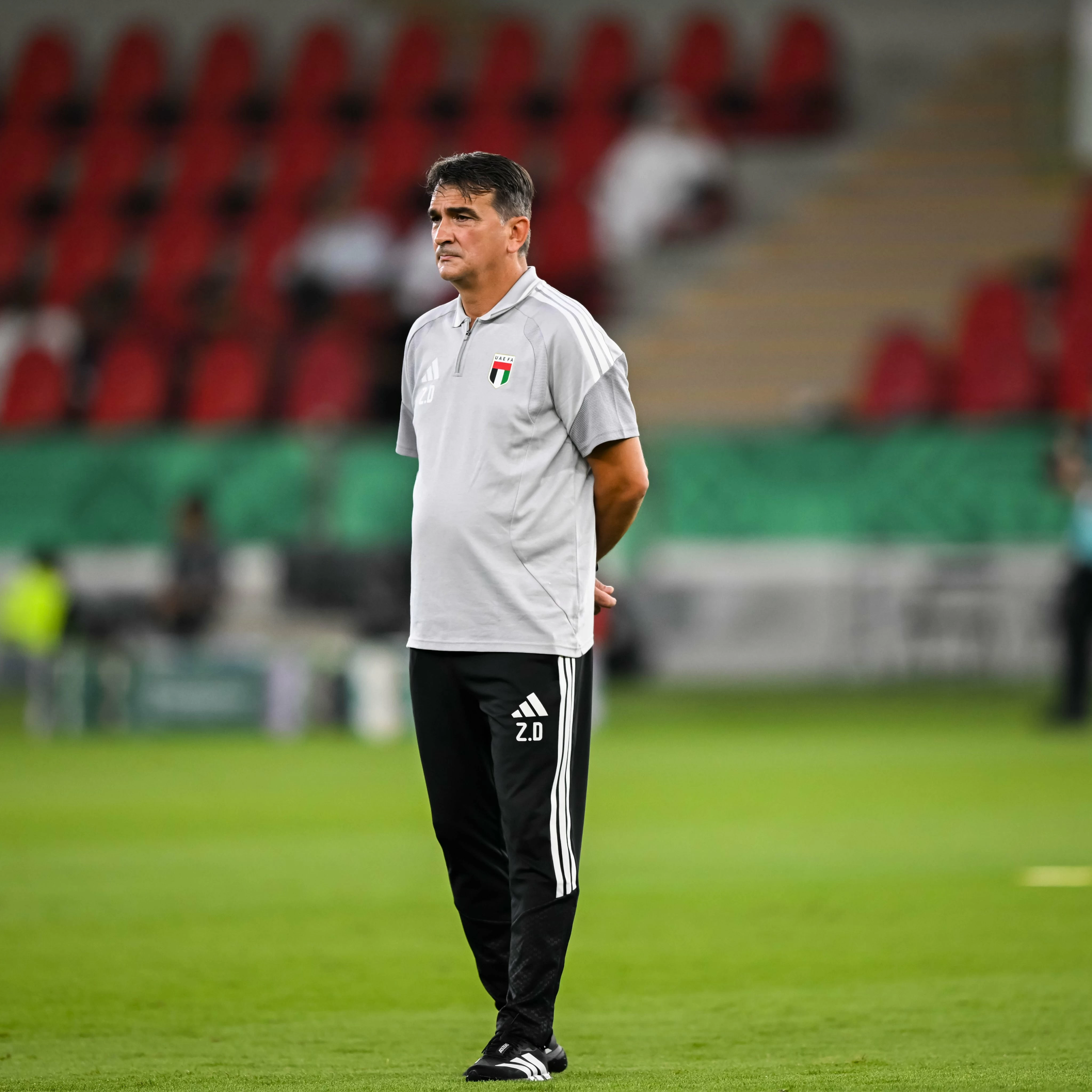
تتجه أنظار الجماهير العربية والخليجية إلى ملعب الإنما بجدة، حيث يلتقي الأخضر السعودي مع نظيره الإماراتي في نهائي مرتقب، في مواجهة لا تقتصر أهميتها على اللاعبين داخل المستطيل الأخضر، بل تمتد إلى مقاعد البدلاء، حيث سيكون اليوناني دونيس والكرواتي زلاتكو داليتش أمام اختبار تكتيكي كبير، حيث يملك كل مدرب شخصية مختلفة في التعامل مع المباريات الكبيرة؛ فدونيس يميل إلى التنظيم والانضباط التكتيكي، مع محاولة فرض أسلوبه تدريجياً على المنافس، والاستفادة من التحولات وسرعة اللاعبين في الثلث الهجومي. كما أن قراءة مجريات المباراة وإجراء التغييرات في الوقت المناسب ستكون من أبرز أسلحته في النهائي.
في المقابل، يدخل زلاتكو المباراة بخبرة كبيرة في التعامل مع المواجهات الحاسمة والبطولات الكبرى، وهو مدرب يجيد إدارة التفاصيل الصغيرة، ويميل إلى منح فريقه توازناً بين التنظيم الدفاعي والقدرة على التحول السريع إلى الهجوم. لذلك لن تكون مهمة الأخضر سهلة أمام منتخب الإمارات.
أسلوب دونيس:
يعتمد دونيس بشكل رئيسي على الخطة 4–2–3–1 لتحقيق التوازن، مع مرونة في التحول إلى 4–4–2 الهجومي أو 5–3–2 الدفاعي حسب طبيعة الخصم، ويعتمد أسلوبه على الركائز التالية:
(الدفاع)
يعمل على تقارب الخطوط، مما يقلل المسافات بين الدفاع والوسط، ويغلق المناطق أمام الخصم ويصعب عليه إيجاد مساحات مما جعله يحافظ على مرماه نظيفاً طوال دور المجموعات (أكثر من 300 دقيقة دون استقبال هدف).
(الانضباط)
لا يُسمح بالتقدم المفرط للمدافعين، والجميع يتراجع ككتلة واحدة عند فقدان الكرة.
(البناء والسيطرة)
يقوم بتطبيق البناء من الخلف بهدوء عبر تمريرات قصيرة ومنظمة تبدأ من الحارس والمدافعين لجذب الخصم ثم فتح الملعب نحو الأطراف.
(الوسط)
يعتمد على لاعبين في الارتكاز ينسقان اللعب ويحميان الخط الخلفي، مما يمنح الاستقرار ويتحكمان في إيقاع المباراة.
(الهجوم)
الأجنحة ورأس الحربة هما المحركان الحقيقيان؛ سرعة، تمرير، عرضيات قاتلة، وتبادل مراكز مستمر لإرباك الدفاعات في منطقة الجزاء.
ثانياً: أسلوب زلاتكو:
يبدأ زلاتكو غالباً بـ 4–3–3 الهجومي، ويتحول بسلاسة إلى 4–2–3–1 للتوازن، وينزل إلى 5–3–2 أمام الفرق التي تسيطر على الكرة لضمان التماسك.
الدفاع:
يعتمد على التراجع المنظم: عند فقدان الكرة، يتراجع الفريق كوحدة واحدة لإنشاء كثافة عددية في منطقته ويتحول من رباعي دفاعي إلى خماسي بسرعة، حيث ينزل أحد لاعبي الوسط ليغلق الفراغات.
(الإدارة والمداورة)
يجيد تدوير اللاعبين بذكاء في كل مباراة يغير عناصر، مما حافظ على نضارة بدنية عالية رغم ضيق الفواصل بين المباريات.
(القراءة اللحظية)
يغير الخطط وفقاً لسير اللعب، ويجري تبديلات مبكرة وفعالة لتصحيح المسار.
في (الهجوم)
التنوع وسرعة التحول ويملك ثلاثي هجومي متحرك: لا يبقى لاعب في مكانه تناوب بين الجناحين والمهاجم مما يربك الدفاعات كما يجيد المرتدات السريعة من لمسة واحدة، تمريرات عمودية مباغتة، واستغلال فوري لأي خطأ دفاعي.
The eyes of the Arab and Gulf audiences are directed towards the Al-Inma Stadium in Jeddah, where the Saudi Green team meets its Emirati counterpart in an anticipated final. This match’s significance extends beyond the players on the green pitch to the benches, where Greek coach Donis and Croatian coach Zlatko Dalic will face a major tactical test. Each coach has a different personality in handling big matches; Donis tends to favor organization and tactical discipline, gradually imposing his style on the opponent while taking advantage of transitions and the speed of his players in the attacking third. Reading the flow of the match and making timely substitutions will also be among his key weapons in the final.
On the other hand, Zlatko enters the match with significant experience in handling decisive encounters and major tournaments. He is a coach who excels at managing small details and tends to provide his team with a balance between defensive organization and the ability to transition quickly to attack. Therefore, the task will not be easy for the Green team against the UAE national team.
Donis’s Style:
Donis primarily relies on the 4–2–3–1 formation to achieve balance, with flexibility to shift to an attacking 4–4–2 or a defensive 5–3–2 depending on the nature of the opponent. His style is based on the following pillars:
(Defense)
He works on bringing the lines closer together, reducing the spaces between defense and midfield, closing areas in front of the opponent, and making it difficult for them to find space, which has allowed him to keep his goal clean throughout the group stage (over 300 minutes without conceding a goal).
(Discipline)
Excessive advancement of defenders is not allowed, and everyone retreats as a single unit when the ball is lost.
(Building and Control)
He applies building from the back calmly through organized short passes starting from the goalkeeper and defenders to draw the opponent in and then open the field towards the flanks.
(Midfield)
He relies on two holding players who coordinate the play and protect the backline, providing stability and controlling the rhythm of the match.
(Attack)
The wingers and the center forward are the real engines; speed, passing, deadly crosses, and continuous positional exchanges to confuse defenses in the penalty area.
Secondly: Zlatko’s Style:
Zlatko often starts with an attacking 4–3–3 formation and smoothly transitions to a 4–2–3–1 for balance, dropping to a 5–3–2 against teams that dominate possession to ensure cohesion.
Defense:
He relies on organized retreat: when the ball is lost, the team retreats as a unit to create numerical density in their area and quickly shifts from a defensive four to a five, with one of the midfielders dropping back to close gaps.
(Management and Rotation)
He skillfully rotates players in every match, changing elements, which has maintained high physical freshness despite the tight intervals between matches.
(Instant Reading)
He changes plans according to the flow of the game and makes early and effective substitutions to correct the course.
In (Attack)
Diversity and speed of transition characterize his play, with a dynamic attacking trio: no player stays in one position, alternating between the wingers and the striker, which confuses defenses. He also excels in quick counterattacks with one-touch plays, surprising vertical passes, and immediate exploitation of any defensive error.
للمزيد من المقالات
اضغط هنا
التعليقات