
كيف غيّر اقتصاديان أمريكيان سياسات البنوك المركزية حول العالم؟ – أخبار السعودية
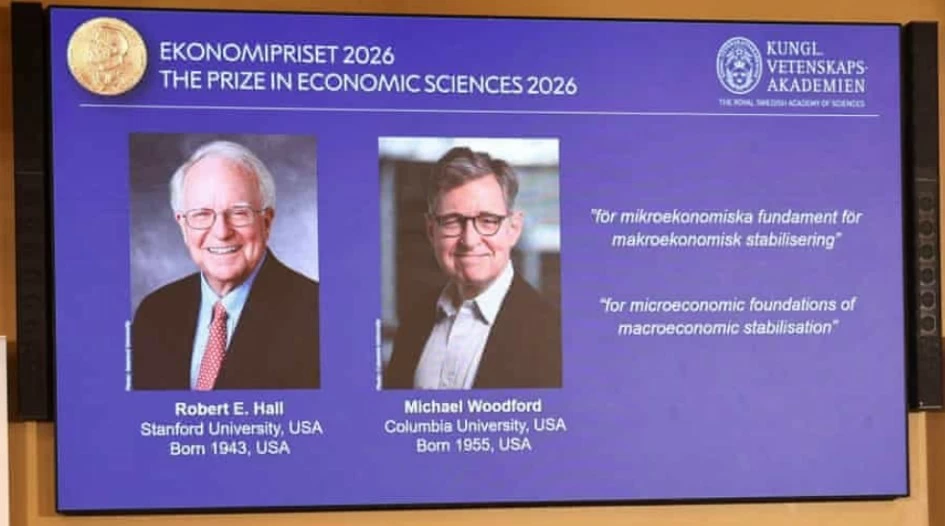
في وقت تواجه فيه الاقتصادات تحديات متزايدة بسبب التضخم وتقلبات الأسواق وأزمات الطاقة، منحت الأكاديمية الملكية السويدية للعلوم جائزة نوبل في العلوم الاقتصادية لعام 2026 إلى اقتصاديين أمريكيين، تقديراً لأبحاث أسهمت في تطوير أدوات تستخدمها البنوك المركزية والحكومات للحد من الأزمات الاقتصادية وتخفيف حدة الركود.
وفاز بالجائزة روبرت هول، من جامعة ستانفورد بولاية كاليفورنيا، ومايكل وودفورد، من جامعة كولومبيا في نيويورك، عن أبحاثهما المتعلقة بـ«الأسس الجزئية لاستقرار الاقتصاد الكلي»، وهي منهجية تساعد صانعي السياسات على فهم كيفية تأثير قرارات الأفراد والشركات في أداء الاقتصاد ككل.
وتبلغ قيمة الجائزة 12 مليون كرونة سويدية، بما يعادل نحو 1.2 مليون دولار، يتقاسمها الفائزان.
وقالت الأكاديمية إن أبحاثهما أحدثت تحولاً في سياسات الاستقرار الاقتصادي، وأسهمت في تطوير نماذج تستخدمها البنوك المركزية ووزارات المالية حول العالم.
كيف تساعد أبحاث الفائزين في مواجهة الأزمات؟
تتمثل أهمية أبحاث هول وودفورد في تطوير نماذج اقتصادية لا تكتفي برصد العلاقة بين مؤشرات عامة، مثل التضخم والإنتاج والاستهلاك، بل تنطلق من دراسة قرارات الأسر والشركات، وكيف تتجمع هذه القرارات لتؤثر في الاقتصاد بأكمله.
وتمنح هذه المقاربة الحكومات والبنوك المركزية أدوات أفضل لتقييم توقيت التدخل الاقتصادي وطبيعته، سواء لمواجهة الركود أو الحد من ارتفاع الأسعار أو التعامل مع الصدمات المفاجئة.
وتستند النماذج الحديثة المرتبطة بأبحاثهما إلى أفكار الاقتصاد الكينزي الجديد، التي تساعد في تفسير كيفية تأثير السياسات النقدية والمالية في دورات النشاط الاقتصادي، بما يشمل فترات النمو والتراجع.
وتبرز أهمية هذه النماذج عند اتخاذ قرارات بشأن أسعار الفائدة والإنفاق الحكومي، إذ لا يتوقف تأثير هذه القرارات على قيمتها المباشرة فحسب، بل يتأثر أيضاً بكيفية استجابة الأسر والشركات لها وتوقعاتها بشأن المستقبل.
من صدمات النفط في السبعينيات إلى الأزمة المالية العالمية
جاء تطوير هذه النماذج استجابةً لقيود واجهتها بعض النماذج الاقتصادية التقليدية، خصوصاً خلال أزمات النفط في سبعينيات القرن الماضي، عندما اجتمعت معدلات التضخم المرتفعة مع ضعف النمو وارتفاع البطالة.
وأظهرت تلك الفترة صعوبة التعامل مع أوضاع اقتصادية تتراجع فيها معدلات النمو بينما ترتفع الأسعار، وهو ما دفع الاقتصاديين إلى إعادة النظر في الأدوات المستخدمة لتفسير التقلبات الاقتصادية وتحديد السياسات المناسبة لمواجهتها.
وساعدت أبحاث هول في تعزيز دور القرارات الاستهلاكية وتوقعات الأفراد في تفسير النشاط الاقتصادي، قبل أن يطور وودفورد هذه الأفكار ضمن إطار أوسع لتحليل استقرار الاقتصاد الكلي والسياسة النقدية.
وظهرت أهمية هذه الأدوات بوضوح بعد الأزمة المالية العالمية عام 2008، عندما استخدم صانعو السياسات نماذج اقتصادية حديثة لتقييم التدخلات اللازمة لدعم النشاط الاقتصادي والحد من مخاطر استمرار الركود.
وقال جون هاسلر، رئيس لجنة جائزة العلوم الاقتصادية، إن أبحاث الفائزين وفرت أساساً نظرياً مستقرًا للنماذج المستخدمة حالياً لدى البنوك المركزية والحكومات، مضيفاً أنها تساعد على التعامل مع الصدمات الاقتصادية، مثل أزمات الطاقة والتغيرات المفاجئة في استهلاك الأسر.
التوجيهات المستقبلية لأسعار الفائدة.. أداة مثيرة للجدل
ومن الآثار المرتبطة بتطور هذه النماذج بروز أهمية ما يُعرف بـ«التوجيهات المستقبلية»، وهي سياسة تستخدمها البنوك المركزية لتوضيح توقعاتها بشأن المسار المحتمل لأسعار الفائدة في الفترات القادمة.
وتهدف هذه التوجيهات إلى التأثير في توقعات الأسواق والأفراد والشركات، بما يساعد على تعزيز فاعلية السياسة النقدية، خصوصاً عندما تكون أسعار الفائدة منخفضة بالفعل وتصبح خيارات خفضها الإضافي محدودة.
واكتسبت هذه الأداة أهمية خاصة بعد الأزمة المالية العالمية وجائحة كورونا، عندما خفضت البنوك المركزية أسعار الفائدة إلى مستويات متدنية لدعم الاقتصادات.
لكن التوجيهات المستقبلية واجهت انتقادات أيضًا؛ إذ يرى منتقدون أن الإشارات المتعلقة بالقرارات القادمة قد تخلق التباساً إذا تغيرت الظروف الاقتصادية ولم تتوافق القرارات الفعلية مع التوقعات السابقة.
وكان مارك كارني، محافظ بنك إنجلترا السابق، قد تعرض لانتقادات عام 2014 بعدما أشار إلى احتمالات رفع أسعار الفائدة لم تتحقق لاحقًا، حتى أُطلق عليه وصف «الحبيب غير الموثوق» في إشارة إلى الفجوة بين التوقعات والقرارات الفعلية.
وفي السياق نفسه، دعا كيفن وورش، رئيس مجلس الاحتياطي الفيدرالي الأمريكي الحالي، إلى أن يكون دور التوجيهات المستقبلية محدودًا ومحددًا في الأوقات الاقتصادية العادية، محذراً من «خلق الغموض باسم الوضوح».
وعبّر وودفورد عن سعادته بالفوز بالجائزة، قائلاً للصحفيين عبر الهاتف من ستوكهولم: «إنه لشرف عظيم. الأمر مفاجئ، لكنني أشعر بسعادة كبيرة».
«المياه العذبة» و«المياه المالحة».. مدرستان في الاقتصاد الأمريكي
ويرتبط روبرت هول أيضاً بفكرة شائعة في تاريخ الفكر الاقتصادي الأمريكي، تقوم على تقسيم الاقتصاديين إلى مجموعتين تُعرفان باسم «المياه العذبة» و«المياه المالحة»، نسبةً إلى المواقع الجغرافية للجامعات التي ارتبطت بكل اتجاه.
فمدرسة «المياه العذبة» تضم اقتصاديين يعمل كثير منهم في جامعات داخلية بالقرب من منطقة البحيرات العظمى، مثل جامعة شيكاغو. ويركز هذا الاتجاه على الأسواق الحرة ونظرية الأسعار النيوكلاسيكية والتوقعات العقلانية، إلى جانب دور النقود في النشاط الاقتصادي.
أما مدرسة «المياه المالحة»، فترتبط بجامعات ساحلية مثل هارفارد ومعهد ماساتشوستس للتكنولوجيا وبيركلي وييل وبرينستون وكولومبيا.
ويميل كثير من الاقتصاديين المنتمين إليها إلى الأفكار الكينزية والكينزية الجديدة، التي تمنح السياسات الحكومية والنقدية دوراً في التأثير على الطلب والنشاط الاقتصادي.
ولا يعني هذا التصنيف أن جميع الباحثين في كل مجموعة يتبنون موقفاً واحداً، لكنه يعكس اختلافات فكرية بشأن طريقة عمل الأسواق ومدى قدرة الحكومات والبنوك المركزية على التأثير في الاقتصاد.
هل جائزة نوبل للاقتصاد من جوائز ألفريد نوبل الأصلية؟
وعلى الرغم من شهرتها باسم «نوبل الاقتصاد»، فإن جائزة العلوم الاقتصادية ليست واحدة من الجوائز الخمس الأصلية التي نصت عليها وصية ألفريد نوبل.
فقد أنشأ البنك المركزي السويدي الجائزة عام 1968، ومنحت للمرة الأولى عام 1969، وتحمل اسم «جائزة بنك السويد للعلوم الاقتصادية في ذكرى ألفريد نوبل».
وتُمنح الجائزة تقديراً للإسهامات البارزة في العلوم الاقتصادية، وتُعد من أبرز الجوائز العالمية في هذا المجال، لكنها تختلف من حيث النشأة عن جوائز نوبل الأصلية في الفيزياء والكيمياء والطب والأدب والسلام.
ويعكس فوز هول وودفورد أهمية الأبحاث التي تربط القرارات الاقتصادية اليومية للأفراد والشركات بالتحولات الكبرى في الاقتصاد، كما يسلط الضوء على الدور الذي تؤديه النماذج النظرية في مساعدة صانعي السياسات على التعامل مع الأزمات، دون أن يعني ذلك قدرتها على منع جميع حالات الركود أو التضخم بصورة مضمونة.
At a time when economies are facing increasing challenges due to inflation, market volatility, and energy crises, the Royal Swedish Academy of Sciences awarded the Nobel Prize in Economic Sciences for 2026 to American economists, in recognition of research that contributed to the development of tools used by central banks and governments to mitigate economic crises and alleviate recessions.
The prize was awarded to Robert Hall from Stanford University in California and Michael Woodford from Columbia University in New York for their research related to “the microfoundations of macroeconomic stability,” a methodology that helps policymakers understand how the decisions of individuals and firms affect the performance of the economy as a whole.
The prize is worth 12 million Swedish kronor, equivalent to about 1.2 million dollars, which will be shared by the two laureates.
The Academy stated that their research has transformed economic stability policies and contributed to the development of models used by central banks and finance ministries around the world.
How do the winners’ research help in facing crises?
The importance of Hall and Woodford’s research lies in developing economic models that not only track the relationship between general indicators, such as inflation, production, and consumption, but also start from studying the decisions of households and firms, and how these decisions aggregate to impact the economy as a whole.
This approach provides governments and central banks with better tools to assess the timing and nature of economic intervention, whether to combat recession, curb rising prices, or deal with sudden shocks.
The modern models related to their research are based on ideas from New Keynesian economics, which help explain how monetary and fiscal policies affect cycles of economic activity, including periods of growth and contraction.
The significance of these models becomes evident when making decisions regarding interest rates and government spending, as the impact of these decisions does not only depend on their direct value but is also influenced by how households and firms respond to them and their expectations about the future.
From oil shocks in the 1970s to the global financial crisis
The development of these models came in response to limitations faced by some traditional economic models, especially during the oil crises of the 1970s, when high inflation rates coincided with weak growth and rising unemployment.
This period demonstrated the difficulty of dealing with economic conditions where growth rates decline while prices rise, prompting economists to reconsider the tools used to explain economic fluctuations and determine appropriate policies to address them.
Hall’s research helped enhance the role of consumer decisions and individual expectations in explaining economic activity, before Woodford developed these ideas within a broader framework for analyzing macroeconomic stability and monetary policy.
The importance of these tools became clear after the global financial crisis of 2008, when policymakers used modern economic models to assess the necessary interventions to support economic activity and mitigate the risks of prolonged recession.
John Hassler, chair of the Economic Sciences Prize Committee, stated that the winners’ research provided a stable theoretical foundation for the models currently used by central banks and governments, adding that it helps address economic shocks, such as energy crises and sudden changes in household consumption.
Forward guidance on interest rates.. a controversial tool
Among the effects associated with the development of these models is the emergence of the importance of what is known as “forward guidance,” a policy used by central banks to clarify their expectations regarding the potential path of interest rates in the coming periods.
This guidance aims to influence the expectations of markets, individuals, and firms, thereby enhancing the effectiveness of monetary policy, especially when interest rates are already low and options for further reductions become limited.
This tool gained particular importance after the global financial crisis and the COVID-19 pandemic, when central banks lowered interest rates to very low levels to support economies.
However, forward guidance has also faced criticism; critics argue that signals regarding future decisions may create confusion if economic conditions change and actual decisions do not align with previous expectations.
Mark Carney, the former Governor of the Bank of England, faced criticism in 2014 after indicating that the likelihood of raising interest rates did not materialize later, leading to him being labeled as “the unreliable boyfriend” in reference to the gap between expectations and actual decisions.
In the same context, Kevin Warsh, the current chair of the U.S. Federal Reserve, called for the role of forward guidance to be limited and specific during normal economic times, warning against “creating ambiguity in the name of clarity.”
Woodford expressed his happiness at winning the prize, telling reporters via phone from Stockholm: “It is a great honor. It is surprising, but I feel very happy.”
“Freshwater” and “Saltwater”… Two schools in American economics
Robert Hall is also associated with a common idea in the history of American economic thought, which divides economists into two groups known as “freshwater” and “saltwater,” named after the geographical locations of the universities associated with each school of thought.
The “freshwater” school includes economists, many of whom work at inland universities near the Great Lakes, such as the University of Chicago. This trend focuses on free markets, neoclassical price theory, and rational expectations, along with the role of money in economic activity.
The “saltwater” school, on the other hand, is associated with coastal universities such as Harvard, the Massachusetts Institute of Technology, Berkeley, Yale, Princeton, and Columbia.
Many economists belonging to this school tend to favor Keynesian and New Keynesian ideas, which grant government and monetary policies a role in influencing demand and economic activity.
This classification does not mean that all researchers in each group adopt a single position, but it reflects intellectual differences regarding how markets operate and the extent to which governments and central banks can influence the economy.
Is the Nobel Prize in Economics one of Alfred Nobel’s original prizes?
Despite its fame as the “Nobel Prize in Economics,” the Prize in Economic Sciences is not one of the five original prizes stipulated in Alfred Nobel’s will.
The prize was established by the Swedish central bank in 1968 and was first awarded in 1969, officially titled “The Sveriges Riksbank Prize in Economic Sciences in Memory of Alfred Nobel.”
The prize is awarded in recognition of outstanding contributions to economic sciences and is considered one of the most prestigious global awards in this field, but it differs in origin from the original Nobel prizes in physics, chemistry, medicine, literature, and peace.
The victory of Hall and Woodford reflects the importance of research that connects the everyday economic decisions of individuals and firms with major transformations in the economy, as well as highlighting the role that theoretical models play in helping policymakers deal with crises, without implying that they can guarantee the prevention of all recessions or inflation.
للمزيد من المقالات
اضغط هنا
التعليقات