
5 مليارات مفتاح بلا كلمات – أخبار السعودية
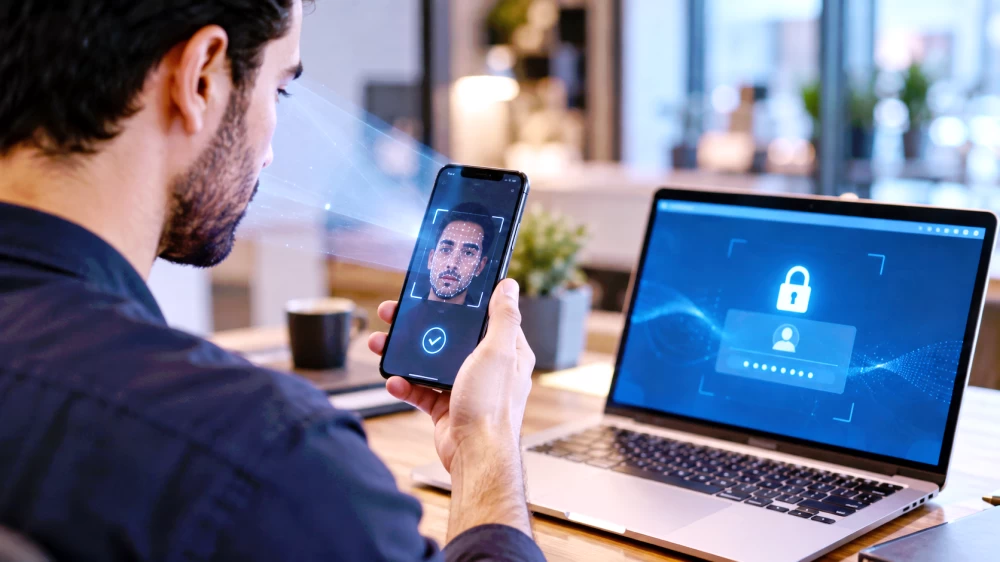
تحولت كلمة المرور من خط الدفاع الأول عن الحسابات الرقمية إلى عبء يومي يلاحق المستخدم بين البريد الإلكتروني والخدمات المصرفية والتطبيقات والمنصات؛ كلمات متعددة، ورموز معقدة، ومحاولات لاستعادة ما نسيته الذاكرة. وفي المقابل، تتقدم «مفاتيح المرور» (Passkeys) باعتبارها واحدة من أبرز محاولات إنهاء عصر كلمة السر، لكن الانتقال إليها يفتح أسئلة تتجاوز سرعة تسجيل الدخول إلى مستقبل الهوية الرقمية نفسها.
وتعتمد التقنية على بصمة الإصبع أو الوجه أو رمز قفل الجهاز، مستندة إلى تشفير يقوم على زوج من المفاتيح؛ خاص يبقى تحت سيطرة المستخدم، وعام لدى الخدمة، ما يجعلها أكثر مقاومة لسرقة بيانات الدخول عبر صفحات التصيد مقارنة بكلمات المرور التقليدية.
وتكشف أرقام تحالف «FIDO» حجم التحول؛ إذ قدّر في مايو 2026 وجود نحو «5 مليارات مفتاح مرور قيد الاستخدام عالمياً». وأظهر مسح شمل 11 ألف مستهلك في 10 دول، أن 90% يعرفون التقنية، و75% فعّلوها في حساب واحد على الأقل، فيما يستخدمها 49% بانتظام عندما تكون متاحة.
لكن الأرقام تكشف أيضاً فجوة بين الإتاحة والتحول الفعلي. ففي مؤشر «FIDO» لعام 2025، الذي استند إلى بيانات تسع شركات كبرى، بلغت نسبة الحسابات المؤهلة لاستخدام مفاتيح المرور 93%، بينما لم تتجاوز حصتها 26% من إجمالي عمليات تسجيل الدخول.
في المقابل، تبدو مكاسب السرعة واضحة؛ إذ بلغ متوسط الدخول 8.5 ثانية باستخدام مفاتيح المرور مقابل 31.2 ثانية لوسائل أخرى، وارتفعت نسبة نجاح تسجيل الدخول إلى 93% مقابل 63%.
المفارقة، أن التخلص من عبء الذاكرة ينقل جزءاً أكبر من المسؤولية إلى الجهاز نفسه. وهنا يصبح التحدي الحقيقي في استعادة الحساب عند فقدان الهاتف، وتأمين الأجهزة وخيارات الاسترداد، وضمان سهولة الانتقال بين المنظومات المختلفة.
كلمة المرور، قد تكون في طريقها إلى التراجع، لكن نجاح البديل لن يُقاس بالثواني التي يوفرها فقط؛ بل بقدرته على حماية هوية المستخدم عندما يفقد الجهاز الذي أصبح مفتاحها.
The password has transformed from the first line of defense for digital accounts into a daily burden that follows the user across email, banking services, applications, and platforms; multiple words, complex codes, and attempts to recover what memory has forgotten. In contrast, “passkeys” are emerging as one of the most prominent attempts to end the era of passwords, but the transition to them raises questions that go beyond the speed of login to the future of digital identity itself.
The technology relies on fingerprint or facial recognition or device lock codes, based on encryption that uses a pair of keys; a private key that remains under the user’s control, and a public key held by the service, making it more resistant to credential theft through phishing pages compared to traditional passwords.
Figures from the “FIDO” Alliance reveal the scale of the transformation; it was estimated in May 2026 that there are around “5 billion passkeys in use globally.” A survey of 11,000 consumers in 10 countries showed that 90% are aware of the technology, and 75% have activated it on at least one account, while 49% use it regularly when available.
However, the numbers also reveal a gap between availability and actual adoption. In the “FIDO” Index for 2025, which was based on data from nine major companies, the percentage of accounts eligible to use passkeys was 93%, while their share of total login attempts did not exceed 26%.
In contrast, the speed gains are evident; the average login time was 8.5 seconds using passkeys compared to 31.2 seconds for other methods, and the success rate of logins rose to 93% compared to 63%.
The paradox is that shedding the burden of memory shifts a larger part of the responsibility to the device itself. Here, the real challenge becomes account recovery when the phone is lost, securing devices and recovery options, and ensuring ease of transition between different systems.
The password may be on its way to decline, but the success of the alternative will not be measured solely by the seconds it saves; rather, it will depend on its ability to protect the user’s identity when the device that has become its key is lost.
للمزيد من المقالات
اضغط هنا
التعليقات