
بعد اعتقال الآلاف.. القضاء الهندي يأمر بالإفراج عن قادة الاحتجاجات – أخبار السعودية
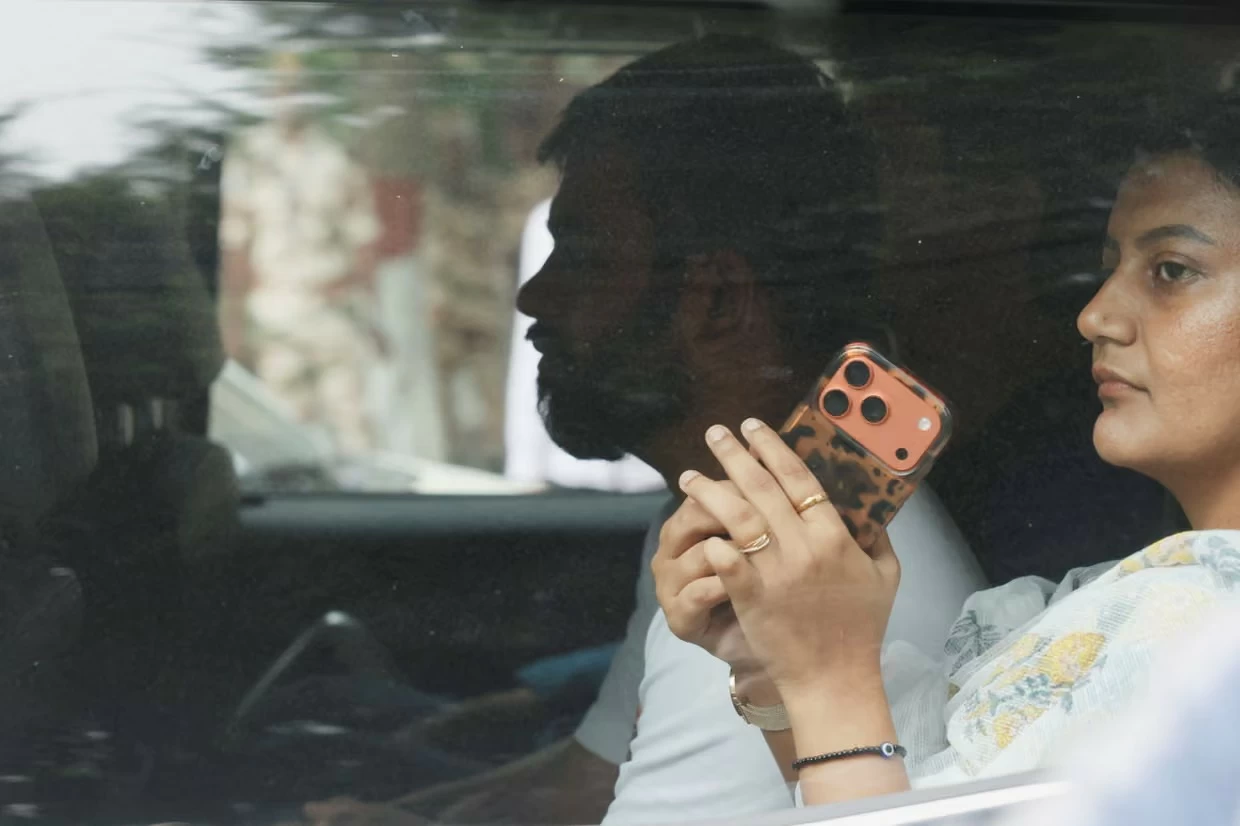
تواجه العاصمة الهندية نيودلهي يوماً جديداً من الاحتجاجات الشبابية المطالبة باستقالة رئيس مفوضية الانتخابات، وسط انتشار أمني مكثف، بعدما أمرت محكمة بالإفراج عن مؤسس حركة «الصراصير» السياسية واثنين من كبار قادتها، عقب احتجازهم لدى وصول طائرتهم إلى العاصمة.
وتأتي التطورات في ظل تصاعد الغضب من مراجعة قوائم الناخبين في الهند، وهي خطوة يرى منتقدون أنها قد تصب في مصلحة حزب بهاراتيا جاناتا الحاكم بقيادة رئيس الوزراء ناريندرا مودي، فيما تنفي السلطات الانتخابية والحزب الحاكم اتهامات التلاعب بالعملية الانتخابية.
الإفراج عن قادة حركة «الصراصير»
وأمرت محكمة هندية بالإفراج عن أبيجيت ديبكي، مؤسس حزب «كروكود جانتا» (CJP)، المعروف باسم حركة «الصراصير»، إلى جانب اثنين من كبار قادة الحركة، بعد احتجازهم لدى وصول طائرتهم إلى نيودلهي، (السبت).
وكانت الحركة تستعد لتنظيم تجمع حاشد في منطقة جانتار مانتار، وسط العاصمة، بمشاركة آلاف الأشخاص، للمطالبة باستقالة رئيس مفوضية الانتخابات الهندية جيانيش كومار.
وشهدت نيودلهي، (السبت)، حملة أمنية واسعة النطاق، تخللتها عمليات احتجاز جماعي للمتظاهرين، في محاولة لمنع تنظيم الاحتجاجات التي تسعى الحركة من خلالها إلى توسيع حملة وطنية ضد مراجعة قوائم الناخبين.
وأفادت تقارير بأن الشرطة احتجزت أكثر من ألفي شخص لمنع مظاهرات (السبت)، فيما قالت الشرطة إن معظم المحتجزين أُفرج عنهم مساء اليوم نفسه.
ورغم إعادة فتح محطات المترو واستئناف خدمات الإنترنت عبر الهواتف المحمولة، استمر نشر آلاف من أفراد الشرطة والقوات شبه العسكرية في أنحاء العاصمة، استعداداً للاحتجاجات الجديدة.
ما أسباب الغضب من قوائم الناخبين؟
تتمحور الاحتجاجات حول مراجعة قوائم الناخبين والإجراءات المرتبطة بتسجيلهم والتحقق من بياناتهم، وهي عملية أثارت جدلاً سياسياً واسعاً في الهند.
ويطالب المتظاهرون باستقالة رئيس مفوضية الانتخابات جيانيش كومار، متهمين السلطات الانتخابية باتخاذ إجراءات قد تمنح حزب بهاراتيا جاناتا الحاكم أفضلية سياسية.
وتصاعدت الانتقادات بعدما نشرت صحيفة «إنديان إكسبريس» الهندية، في أواخر سبتمبر، تقريراً أفاد بأن نائبين لكومار أثارا داخلياً مخاوف بشأن مراجعة قوائم الناخبين وإجراءات التسجيل والأنظمة الرقمية المستخدمة في العملية.
ومنذ نشر التقرير، شهدت مناطق متفرقة من الهند احتجاجات متقطعة، في وقت تؤكد فيه مفوضية الانتخابات أن اختلاف وجهات النظر خلال المداولات الداخلية أمر طبيعي، وتنفي تفضيل أي حزب سياسي على آخر.
وبحسب بيانات للمفوضية استشهد بها الحزب الحاكم، حُذفت نحو 130 مليون اسم من قوائم الناخبين خلال عملية التحقق، من بينهم 63 مليون شخص انتقلوا من أماكن إقامتهم، و30 مليوناً تعذر الوصول إليهم.
وتثير هذه الأرقام مخاوف المعارضة، التي تقول إن الحذف قد يؤثر بصورة غير متناسبة على الناخبين المسلمين والأقليات الأخرى، الذين يُرجح أن يكونوا أقل ميلًا إلى التصويت للحزب القومي الهندوسي الحاكم.
في المقابل، تنفي الحكومة وحزب بهاراتيا جاناتا ومفوضية الانتخابات اتهامات التلاعب، ويتهم الحزب معارضيه بمحاولة تقويض الديمقراطية الهندية عبر التشكيك في إجراءات انتخابية يصفها بالمشروعة.
الأمم المتحدة تنتقد الاعتقالات.. ونيودلهي ترد
وامتدت تداعيات الاحتجاجات إلى الساحة الدولية، بعدما أعرب مكتب الأمم المتحدة لحقوق الإنسان عن قلقه إزاء الاعتقالات الجماعية التي نُفذت قبل المظاهرات وخلالها.
وقال المتحدث باسم المكتب، ثمين الخيطان، إن المنظمة تدعو السلطات الهندية إلى ضمان الاحترام الكامل للحق في التجمع السلمي، وحثها على الدخول في حوار جاد لمعالجة المخاوف التي وصفها بأنها واسعة الانتشار.
لكن وزارة الخارجية الهندية رفضت الموقف الأممي، معتبرة أن نهج الأمم المتحدة «انتقائي»، وأن بيانها يمثل تدخلاً غير مبرر في الشؤون الداخلية للهند.
كما انتقدت أحزاب المعارضة ومنتقدون لحكومة مودي ما وصفوه بالاستخدام المفرط للقوة في التعامل مع المتظاهرين.
من السخرية على الإنترنت إلى الاحتجاج في الشوارع
بدأت حركة «الصراصير» بوصفها نشاطاً ساخراً عبر الإنترنت، قبل أن تتحول سريعاً إلى مجموعة ضغط سياسية تنظم احتجاجات في الشوارع.
وسبق أن تصاعد نشاط الحركة على خلفية احتجاجات ضد تسريب أوراق الامتحانات، وهي تحركات انتهت باستقالة وزير التعليم في حكومة مودي.
وأطلقت الحركة على احتجاجاتها الحالية ضد رئيس مفوضية الانتخابات اسم «الموسم الثاني»، وفق منشوراتها على منصات التواصل الاجتماعي، مؤكدة أنها لن تتوقف حتى إصلاح النظام الانتخابي في الهند.
وتضع الأزمة الحكومة الهندية والسلطات الانتخابية أمام ضغوط متزايدة، مع استمرار الجدل بشأن نزاهة مراجعة قوائم الناخبين، وتزايد المطالبات بضمان حق المواطنين في التسجيل والتصويت، بينما تتواصل الاستعدادات الأمنية لمواجهة موجة الاحتجاجات الجديدة.
The Indian capital, New Delhi, faces another day of youth protests demanding the resignation of the Chief Election Commissioner, amid heavy security presence, after a court ordered the release of the founder of the political movement “Cockroach” and two of its senior leaders, following their detention upon arrival at the capital.
The developments come amid rising anger over the review of voter lists in India, a step that critics believe may benefit the ruling Bharatiya Janata Party led by Prime Minister Narendra Modi, while the election authorities and the ruling party deny allegations of manipulating the electoral process.
Release of “Cockroach” Movement Leaders
An Indian court ordered the release of Abhijit Debki, the founder of the “Crocodile Janata Party” (CJP), known as the “Cockroach” movement, along with two senior leaders of the movement, after they were detained upon their arrival in New Delhi on Saturday.
The movement was preparing to organize a massive rally in the Jantar Mantar area, in the heart of the capital, with the participation of thousands of people, demanding the resignation of Indian Election Commission Chief Gyanesh Kumar.
New Delhi witnessed a wide-ranging security campaign on Saturday, which included mass detentions of protesters in an attempt to prevent the organization of protests that the movement aims to use to expand a national campaign against the review of voter lists.
Reports indicated that police detained more than two thousand people to prevent demonstrations on Saturday, while police stated that most of those detained were released later that same evening.
Despite the reopening of metro stations and the resumption of mobile internet services, thousands of police and paramilitary forces continued to be deployed across the capital in preparation for new protests.
What are the reasons for the anger over voter lists?
The protests center around the review of voter lists and the procedures related to their registration and verification, a process that has sparked widespread political controversy in India.
Protesters are demanding the resignation of Election Commission Chief Gyanesh Kumar, accusing the election authorities of taking actions that could give the ruling Bharatiya Janata Party a political advantage.
Criticism intensified after the Indian newspaper “Indian Express” published a report in late September stating that two of Kumar’s deputies raised internal concerns about the review of voter lists, registration procedures, and the digital systems used in the process.
Since the publication of the report, sporadic protests have occurred in various regions of India, while the Election Commission insists that differing viewpoints during internal deliberations are normal and denies favoring any political party over another.
According to data from the commission cited by the ruling party, about 130 million names were removed from the voter lists during the verification process, including 63 million people who moved from their residences and 30 million who could not be reached.
These figures raise concerns among the opposition, which argues that the removals could disproportionately affect Muslim voters and other minorities, who are likely to be less inclined to vote for the ruling Hindu nationalist party.
In contrast, the government, the Bharatiya Janata Party, and the Election Commission deny allegations of manipulation, with the party accusing its opponents of attempting to undermine Indian democracy by questioning electoral procedures it describes as legitimate.
UN Criticizes Arrests.. New Delhi Responds
The repercussions of the protests extended to the international arena, after the United Nations Office of the High Commissioner for Human Rights expressed concern over the mass arrests carried out before and during the protests.
The office’s spokesperson, Thameen Al-Khaitan, stated that the organization calls on Indian authorities to ensure full respect for the right to peaceful assembly and urged them to engage in serious dialogue to address what he described as widespread concerns.
However, the Indian Ministry of External Affairs rejected the UN stance, considering the UN’s approach to be “selective,” and that its statement represents an unwarranted interference in India’s internal affairs.
Opposition parties and critics of Modi’s government also condemned what they described as excessive use of force in dealing with protesters.
From online satire to street protests
The “Cockroach” movement began as an online satirical activity before quickly transforming into a political pressure group organizing street protests.
The movement had previously ramped up its activities in response to protests against exam paper leaks, which ended with the resignation of the education minister in Modi’s government.
The movement has dubbed its current protests against the Chief Election Commissioner as “Season Two,” according to its posts on social media platforms, asserting that it will not stop until the electoral system in India is reformed.
The crisis places increasing pressure on the Indian government and election authorities, as the debate over the integrity of the voter list review continues, alongside growing demands to ensure citizens’ rights to register and vote, while security preparations continue to face the new wave of protests.
للمزيد من المقالات
اضغط هنا
التعليقات