
غضب «حزب الصراصير» يستنفر العاصمة الهندية – أخبار السعودية
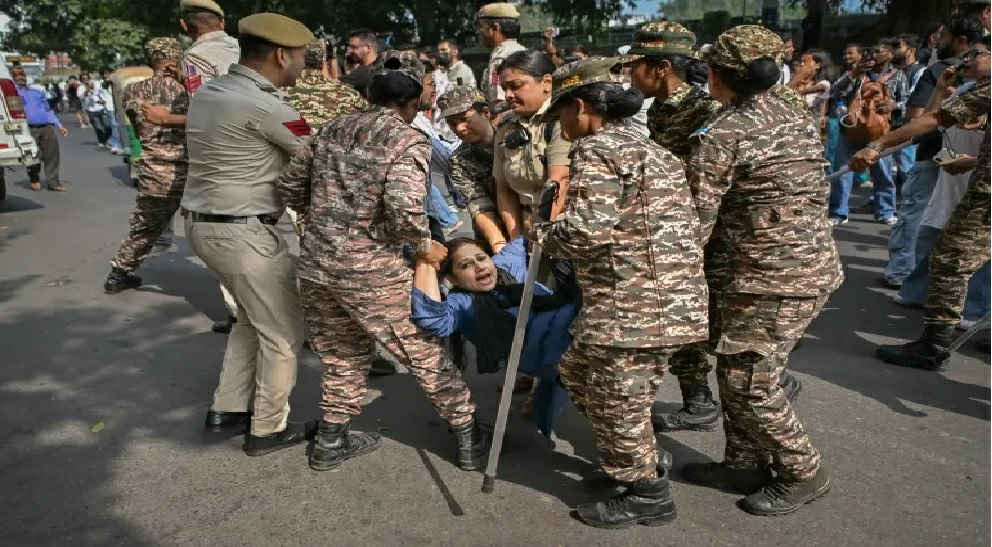
شهدت العاصمة الهندية نيودلهي حالة من الاستنفار الأمني الميداني غير المسبوق، عقب اندلاع موجة احتجاجات واسعة ودعوات لمسيرة حاشدة نظمتها حركة «حزب شعب الصراصير» الشبابية.
وجاء التحرك احتجاجاً على إجراءات «المراجعة المكثفة» لقوائم الانتخابات، والتي أدت إلى شطب أكثر من 130 مليون ناخب، وسط اتهامات للحكومة بحرمان ملايين المواطنين من حقوقهم السياسية لصالح الحزب الحاكم.
طوق أمني واعتقالات
واجهت السلطات الهندية الدعوات الشبابية بانتشار مكثف لآلاف عناصر الشرطة والقوات شبه العسكرية، مرفقة بإغلاق عشرات محطات المترو وتعطيل خدمات الإنترنت عبر الهواتف المحمولة في محيط منطقة الاحتجاجات.
وألقت الشرطة القبض على العشرات في منطقة الأعمال المركزية عقب مطاردات ميدانية. واقتادت قادة Movement/Party البارزين—أبهيجيت ديبكي، وسوراف داس، وآشوتوش رانكا—فور وصولهم إلى مطار نيودلهي قادمين من مومباي، إلى جانب توقيف صناع محتوى وصحفيين وداعمين للحراك، فيما أكد منظمو المسيرة احتجاز ما يقارب 10 آلاف شخص في مختلف الولايات.
شطب الملايين يثير الشكوك
تأتي هذه التطورات على خلفية مراجعة قوائم الناخبين التي يقودها رئيس لجنة الانتخابات غيانيش كومار، إذ تطالب المعارضة والشباب المحتجون باستقالته فوراً وإلغاء نتائج المراجعة. ويتهم قادة الأحزاب المعارضة، وفي مقدمتهم زعيم حزب المؤتمر راهول غاندي، السلطات باستغلال العملية لإبعاد الكتلة التصويرية الداعمة للمعارضة وإبقاء الموالين لحزب «بهاراتيا جاناتا» بزعامة رئيس الوزراء ناريندرا مودي.
من جانبها، نفت لجنة الانتخابات والحكومة هذه الاتهامات جملة وتفصيلاً، مؤكدة أن المراجعة الفنية تهدف حصرًا لتنقية الجداول من التكرار والمدخلات غير القانونية لحماية سلامة العملية الانتخابية.
من السخرية الرقمية إلى التحدي السياسي
تكتسب حركة «الصراصير» أهمية استثنائية في المشهد الهندي؛ إذ بدأت في شهر مايو حركةً ساخرة على منصات التواصل الاجتماعي، قبل أن تتحول إلى قوة تنظيمية ميدانية نجحت في يوليو الماضي في دفع وزير التعليم للاستقالة عقب احتجاجات على تسريبات امتحانات سرا.
واليوم، تشكل هذه التحركات الشبابية اختباراً سياسياً حقيقياً لحكومة مودي في منتصف ولايتها الثالثة، خصوصا مع الاقتراب من انتخابات ولايات مفصلية بين عامي 2026 و2027، والتي ستحدد ملامح الخريطة السياسية قبل الاستحقاق الرئاسي والبرلماني القادم.
The Indian capital, New Delhi, has witnessed an unprecedented state of security alert following the outbreak of widespread protests and calls for a massive march organized by the “Cockroach People’s Party” youth movement.
This movement came in protest against the “intensive review” of electoral lists, which led to the removal of more than 130 million voters, amid accusations against the government of depriving millions of citizens of their political rights in favor of the ruling party.
Security cordon and arrests
The Indian authorities responded to the youth calls with a heavy deployment of thousands of police and paramilitary forces, accompanied by the closure of dozens of metro stations and the disruption of mobile internet services in the vicinity of the protest area.
The police arrested dozens in the central business district following field chases. They took prominent Movement/Party leaders—Abhijit Debki, Sourav Das, and Ashotosh Ranka—into custody as soon as they arrived at New Delhi Airport from Mumbai, along with detaining content creators, journalists, and supporters of the movement, while the march organizers confirmed the detention of nearly 10,000 people across various states.
Millions removed raises suspicions
These developments come against the backdrop of the voter list review led by Chief Election Commissioner Gyanesh Kumar, as the opposition and protesting youth demand his immediate resignation and the annulment of the review results. Opposition party leaders, including Congress leader Rahul Gandhi, accuse the authorities of exploiting the process to eliminate the opposition’s supportive voter base and maintain the loyalty of supporters of the Bharatiya Janata Party led by Prime Minister Narendra Modi.
For its part, the Election Commission and the government have categorically denied these accusations, asserting that the technical review aims solely to cleanse the rolls of duplicates and illegal entries to protect the integrity of the electoral process.
From digital satire to political challenge
The “Cockroach” movement holds exceptional significance in the Indian scene; it began in May as a satirical movement on social media platforms before transforming into an organizational force that successfully pushed the education minister to resign last July following protests over exam leakages.
Today, these youth movements represent a real political test for Modi’s government in the middle of its third term, especially with the upcoming pivotal state elections between 2026 and 2027, which will shape the political landscape ahead of the next presidential and parliamentary elections.
للمزيد من المقالات
اضغط هنا
التعليقات