
تحليل جيني يكشف ارتباطاً بين فايروس إيبولا في نيجيريا وأول إصابة في كينيا – أخبار السعودية
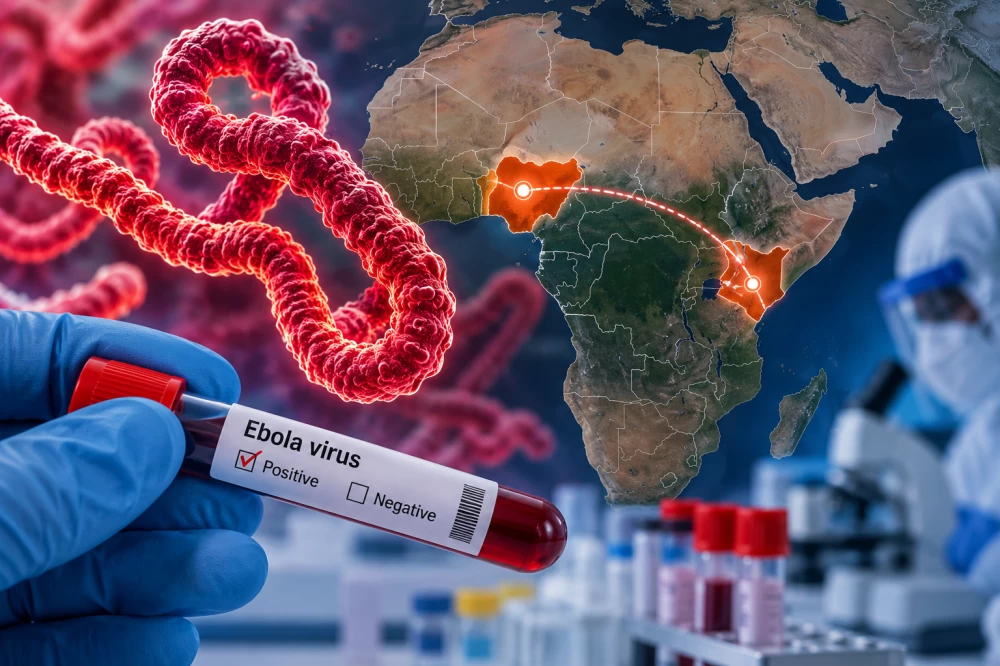
كشفت السلطات الصحية النيجيرية عن وجود تشابه جيني وثيق بين فايروس الإيبولا المكتشف لدى أول مصابة في البلاد، والفايروس الذي تسبب في أول إصابة مسجلة في كينيا، في تطور قد يساعد على تحديد مسارات انتقال العدوى بين الدول الأفريقية التي تشهد تفشياً للمرض.
وأعلن وزير الصحة والرعاية الاجتماعية النيجيري محمد علي باتي، أمس (الجمعة)، أن نتائج التحليل الجيني أظهرت تقارباً كبيراً بين العينتين، ما يمثل أول دليلاً جينياً على وجود صلة بين الفايروسين المكتشفين في البلدين.
وأوضح أن هذا التشابه لا يثبت انتقال العدوى مباشرةً بين المصابين، مؤكداً عدم وجود أدلة على سفر المصاب الأول في كينيا إلى نيجيريا أو حدوث اتصال مباشر بين الحالتين، فيما تتواصل التحقيقات الوبائية لتحديد مصدر الإصابة ومسار انتقال الفايروس.
وكانت نيجيريا قد أعلنت في 20 أكتوبر تسجيل إصابة مؤكدة بفايروس الإيبولا من سلالة «بونديبوغيو» في العاصمة أبوجا، لدى امرأة عادت من أوغندا، وظهرت عليها الأعراض في السابع من أكتوبر، قبل تأكيد إصابتها مخبرياً.
وأشار الوزير إلى أن السلطات الصحية تواصل تتبع المخالطين وإخضاعهم للمراقبة والفحوص الطبية، موضحاً أن بعض نتائج الاختبارات جاءت سلبية، فيما لا تزال نتائج أخرى قيد الانتظار، دون تسجيل إصابات مؤكدة إضافيةً في نيجيريا حتى وقت الإعلان.
وفي سياق التحقيقات، كشفت المراكز الأفريقية لمكافحة الأمراض والوقاية منها أن المصابين الأولين في نيجيريا وكينيا عبرا مطار عنتيبي الدولي في أوغندا في الثالث من أكتوبر، ما دفع الجهات الصحية إلى دراسة احتمال وجود ارتباط بين رحلتيهما، دون التوصل حتى الآن إلى دليلاً يثبت انتقال العدوى بينهما.
وفي كينيا، أعلنت وزارة الصحة، أمس (الجمعة)، تسجيل وفاةً ثانيةً بالمرض لامرأة تبلغ 65 عاماً، كانت من المخالطين للمصاب الأول، فيما يواصل سبعة مرضى تلقي العلاج داخل مرافق العزل الصحي.
وتأتي هذه التطورات في ظل استمرار تفشي سلالة «بونديبوغيو» في جمهورية الكونغو الديمقراطية، حيث أكدت منظمة الصحة العالمية تسجيل 9704 إصابات و4687 وفاة حتى 20 أكتوبر الجاري.
وتؤكد الجهات الصحية أهمية التحليل الجيني في تتبع انتشار الفايروس، إلى جانب مراقبة المخالطين وتعزيز إجراءات الوقاية والكشف المبكر، للحد من انتقال العدوى عبر الحدود.
Nigerian health authorities have revealed a close genetic similarity between the Ebola virus found in the first case in the country and the virus that caused the first recorded case in Kenya, in a development that may help identify transmission pathways between African countries experiencing outbreaks of the disease.
Nigerian Minister of Health and Social Welfare Muhammad Ali Pate announced yesterday (Friday) that genetic analysis results showed a significant closeness between the two samples, representing the first genetic evidence of a link between the viruses discovered in the two countries.
He explained that this similarity does not prove direct transmission of the infection between the patients, emphasizing that there is no evidence that the first patient in Kenya traveled to Nigeria or had direct contact with the cases, while epidemiological investigations continue to determine the source of the infection and the virus’s transmission route.
Nigeria had announced on October 20 the confirmation of a case of Ebola virus from the “Bundibugyo” strain in the capital Abuja, in a woman who returned from Uganda and showed symptoms on October 7, before her infection was confirmed in the laboratory.
The minister noted that health authorities continue to track contacts and subject them to monitoring and medical examinations, explaining that some test results came back negative, while other results are still pending, with no additional confirmed cases reported in Nigeria at the time of the announcement.
In the context of the investigations, the Africa Centers for Disease Control and Prevention revealed that the initial patients in Nigeria and Kenya passed through Entebbe International Airport in Uganda on October 3, prompting health authorities to explore the possibility of a connection between their trips, although no evidence has yet been found to confirm transmission of the infection between them.
In Kenya, the Ministry of Health announced yesterday (Friday) the registration of a second death from the disease of a 65-year-old woman who was in contact with the first patient, while seven patients continue to receive treatment in quarantine facilities.
These developments come amid the ongoing outbreak of the “Bundibugyo” strain in the Democratic Republic of the Congo, where the World Health Organization confirmed 9,704 cases and 4,687 deaths as of October 20.
Health authorities emphasize the importance of genetic analysis in tracking the spread of the virus, alongside monitoring contacts and enhancing preventive measures and early detection to limit the transmission of the infection across borders.
للمزيد من المقالات
اضغط هنا
التعليقات