
تخطي الإفطار وقلة النوم والجفاف.. أسباب خفية وراء الصداع – أخبار السعودية
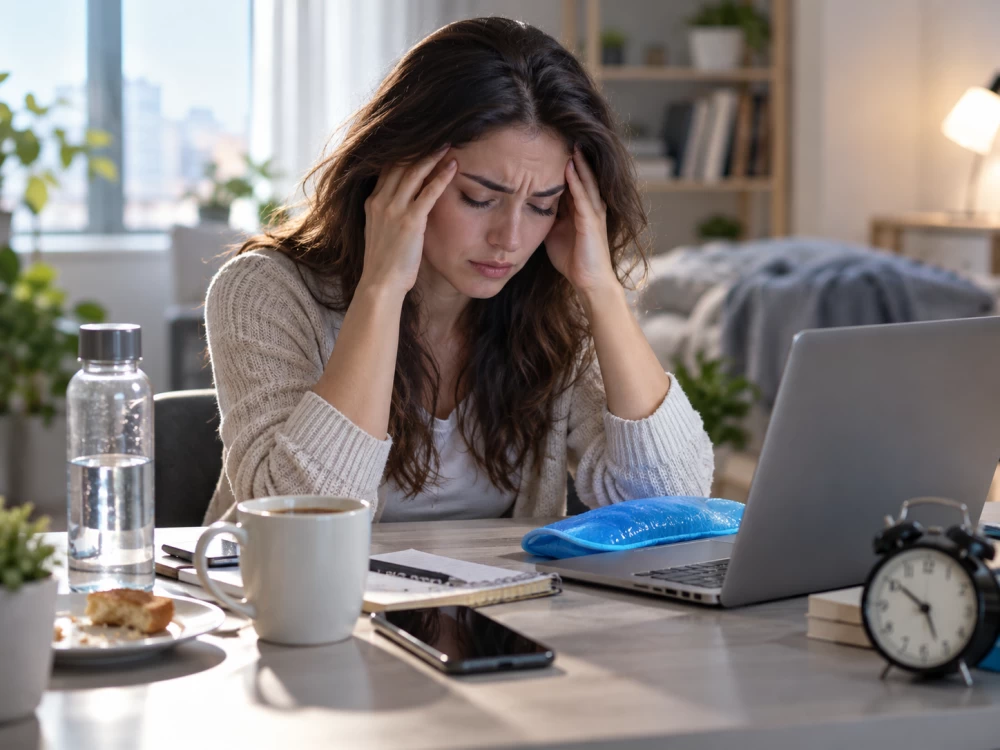
كشفت أخصائية طب الأعصاب الدكتورة يكاترينا ديميانوفسكايا، عن مجموعة من العوامل التي قد تتسبب في الإصابة بالصداع، خصوصاً خلال فصل الخريف، من بينها اضطراب مواعيد النوم، والتوتر، وقلة شرب السوائل، وتخطي وجبة الإفطار، مُشيرةً إلى أن المصابين بالصداع النصفي يُعدّون الأكثر تأثراً ببعض هذه العوامل.
وأوضحت أن قصر ساعات النهار خلال الخريف قد يؤدي إلى تغير أنماط النوم وصعوبة الاستيقاظ صباحاً، إلى جانب قضاء فترات أطول أمام الشاشات خلال المساء، ما قد يسهم في زيادة نوبات الصداع.
وأضافت أن التوتر يمثل أحد العوامل المحفزة للصداع، خصوصاً مع العودة إلى وتيرة العمل المكثفة بعد انتهاء موسم العطلات، وتزايد الضغوط والمسؤوليات اليومية.
وحذرت من إهمال وجبة الإفطار أو ترك فترات طويلة بين الوجبات، مؤكدةً أن هذه العادة قد تؤدي إلى نوبات صداعٍ، لا سيما لدى المصابين بالصداع النصفي، الذين يُظهرون حساسيةً أكبر تجاه تأخر تناول الطعام.
ولفتت إلى أن الجفاف يُعدّ من العوامل التي قد تحفز الصداع أو تزيد حدته، موضحةً أن انخفاض درجات الحرارة يقلل الشعور بالعطش، ما يدفع البعض إلى تناول كمياتٍ أقل من السوائل مقارنةً بالمعتاد.
وأشارت إلى أن زيادة انتشار نزلات البرد والعدوى الفايروسية خلال الخريف قد تكون مصحوبةً بالصداع والحمى والضعف العام واحتقان الأنف، مبينةً أن الشعور بالألم في منطقة الجبهة وجسر الأنف لا يعني بالضرورة الإصابة بالتهاب الجيوب الأنفية، إذ قد يكون ناتجاً عن الصداع النصفي أو صداع التوتر، اللذين قد يُشخّصان خطأً في البداية على أنهما التهاب في الجيوب الأنفية.
من جانبها، أوضحت الدكتورة سفيتلانا مالينوفسكايا، أن بعض الوسائل البسيطة قد تساعد في تخفيف آلام الصداع النصفي، من بينها وضع كماداتٍ باردةٍ على الجبهة، والتدليك اللطيف لمنطقة الرقبة والكتفين، والضغط على نقاطٍ معينةٍ بين الحاجبين.
وبيّنت أن البرودة تساعد على تضييق الأوعية الدموية، فيما يسهم التدليك والضغط على نقاطٍ محددةٍ في تخفيف التشنجات العضلية والألم.
Neurologist Dr. Ekaterina Demyanovskaya revealed a number of factors that may contribute to headaches, especially during the autumn season, including disrupted sleep schedules, stress, insufficient fluid intake, and skipping breakfast, noting that those suffering from migraines are the most affected by some of these factors.
She explained that the shorter daylight hours during autumn can lead to changes in sleep patterns and difficulty waking up in the morning, along with spending longer periods in front of screens during the evening, which may contribute to an increase in headache episodes.
She added that stress is one of the triggering factors for headaches, especially with the return to a more intense work pace after the holiday season, along with increased daily pressures and responsibilities.
She warned against neglecting breakfast or leaving long intervals between meals, emphasizing that this habit may lead to headache episodes, particularly among those with migraines, who show greater sensitivity to delayed food intake.
She pointed out that dehydration is one of the factors that may trigger or exacerbate headaches, explaining that lower temperatures reduce the feeling of thirst, leading some to consume less fluid than usual.
She noted that the increased prevalence of colds and viral infections during autumn may be accompanied by headaches, fever, general weakness, and nasal congestion, indicating that pain in the forehead and bridge of the nose does not necessarily mean sinusitis, as it may result from migraines or tension headaches, which can initially be misdiagnosed as sinusitis.
For her part, Dr. Svitlana Malinovskaya explained that some simple methods may help alleviate migraine pain, including applying cold compresses to the forehead, gentle massage of the neck and shoulder areas, and pressing on specific points between the eyebrows.
She indicated that cold helps to constrict blood vessels, while massage and pressure on specific points contribute to relieving muscle spasms and pain.
للمزيد من المقالات
اضغط هنا
التعليقات