
رداً على شروط فانس.. طهران تتمسك بتخصيب اليورانيوم – أخبار السعودية
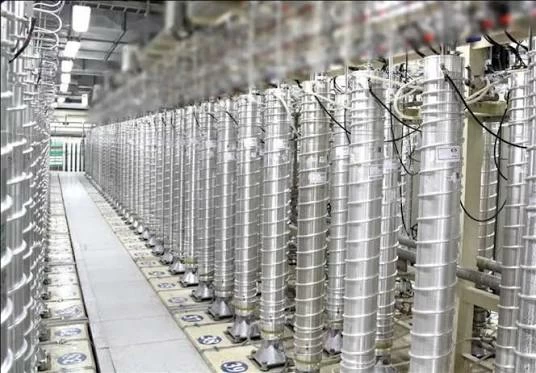
جددت إيران على لسان مسؤول كبير رفضها “التخلي عن تخصيب اليورانيوم”، وأشار المسؤول لوكالة “رويترز”، اليوم الأربعاء، إلى إمكانية مناقشة تفاصيل التخصيب في وقت لاحق.
واعتبر في رد على تصريحات نائب الرئيس الأمريكي جي دي فانس، أن الأفكار الأمريكية بشأن البرنامج النووي الإيراني تتعارض مع مطالب طهران، لافتاً إلى أن “إيران وأمريكا لم تجريا أي مفاوضات بشأن البرنامج النووي”.
ووصف تصريحات فانس بشأن البرنامج النووي بأنها “أفكار” أمريكية، مضيفاً: “يتعين على واشنطن تلبية شروط طهران أولاً قبل مناقشة القضية النووية”. واعتبر المسؤول الإيراني أن “اعتراف أمريكا بحق إيران في التخصيب هو خطنا الأحمر”.
وكان فانس الذي اضطلع بدور بارز في المفاوضات مع إيران، قال إن أي اتفاق لإعادة فتح مضيق هرمز وإنهاء الحرب سيتطلب من طهران تقليص قدرتها على تخصيب اليورانيوم، بدلاً من الاكتفاء بتقديم ضمانات بشأن خفض أنشطتها النووية مستقبلاً. وأضاف في مقابلة مع وكالة “رويترز”، نشرت الأربعاء: “أعتقد أنه إذا أرادوا إظهار التزامهم بعدم صنع سلاح نووي، فسيتخذون إجراءات ملموسة بشأن قدراتهم في مجال التخصيب”.
وأشار إلى أن واشنطن تجري محادثات مع الرئيس الإيراني مسعود بيزشكيان ووزير الخارجية عباس عراقجي، لكنه أكد أنه ليس من الواضح مدى السلطة التي يتمتع بها الاثنان في طهران. وقال ترمب، الثلاثاء، إن “أكبر مشكلة” لديه هي أنه لا أحد يعرف من يدير إيران. وأشار خلال فعالية في مدينة بالتيمور بولاية ماريلاند إن إدارته تقترب من حسم الحرب مع إيران، مضيفاً: “علينا حسم الأمر، وقريباً جداً ستعرفون كيف سيتم ذلك”.
واعتبر ترمب أن قدرات إيران في مجال تصنيع الطائرات المسيّرة “ستزول قريباً”. ولا تزال إيران متمسكة بموقفها في المفاوضات، التي دخلت حالة من الجمود منذ رفض ترمب مقترحاً لوقف الحرب، طُرح على هامش اجتماعات الجمعية العامة للأمم المتحدة في نيويورك.
وكان وزير الخارجية عباس عراقجي، قال إن طهران “لن تتراجع عن شروطها في المفاوضات مع الولايات المتحدة”، ووصفها بأنها “شروط واضحة”، بحسب ما أوردت وكالة “مهر” الثلاثاء. وأضاف أن “أي تحرك نحو إعادة فتح مضيق هرمز مرهون بتحقيق هذه الشروط، ولن نتراجع عنها”. فيما اعتبر رئيس البرلمان باقر قاليباف، أن موقف طهران “واضح وحازم”، وإن المضيق لن يعاد فتحه قبل تنفيذ الشروط الإيرانية.
Iran reiterated through a senior official its refusal to “abandon uranium enrichment,” and the official indicated to Reuters today, Wednesday, the possibility of discussing the details of enrichment later.
In response to statements made by U.S. Vice President J.D. Vance, he considered that American ideas regarding the Iranian nuclear program contradict Tehran’s demands, pointing out that “Iran and America have not conducted any negotiations regarding the nuclear program.”
He described Vance’s statements about the nuclear program as “American ideas,” adding: “Washington must meet Tehran’s conditions first before discussing the nuclear issue.” The Iranian official considered that “America’s recognition of Iran’s right to enrichment is our red line.”
Vance, who played a prominent role in negotiations with Iran, stated that any agreement to reopen the Strait of Hormuz and end the war would require Tehran to reduce its uranium enrichment capacity, rather than merely providing guarantees regarding the reduction of its nuclear activities in the future. He added in an interview with Reuters published on Wednesday: “I believe that if they want to demonstrate their commitment to not making a nuclear weapon, they will take concrete actions regarding their enrichment capabilities.”
He noted that Washington is in talks with Iranian President Masoud Pezeshkian and Foreign Minister Abbas Araghchi, but he emphasized that it is unclear how much authority the two have in Tehran. Trump stated on Tuesday that “the biggest problem” he has is that no one knows who is running Iran. He mentioned during an event in Baltimore, Maryland, that his administration is close to resolving the war with Iran, adding: “We need to settle this, and very soon you will know how it will be done.”
Trump considered that Iran’s capabilities in drone manufacturing “will soon vanish.” Iran still maintains its position in the negotiations, which have entered a state of stalemate since Trump rejected a proposal to end the war, which was raised on the sidelines of the United Nations General Assembly meetings in New York.
Foreign Minister Abbas Araghchi stated that Tehran “will not back down from its conditions in negotiations with the United States,” describing them as “clear conditions,” according to what the Mehr news agency reported on Tuesday. He added that “any move towards reopening the Strait of Hormuz is contingent upon meeting these conditions, and we will not back down from them.” Meanwhile, Parliament Speaker Baqer Qalibaf considered that Tehran’s position is “clear and firm,” and that the strait will not be reopened before the Iranian conditions are met.
للمزيد من المقالات
اضغط هنا
التعليقات